

Remove Smoke Smell From Clothes: Complete Guide
Table of Contents
- Why Smoke Smell Sticks to Fabric
- How to Remove Smoke Smell From Clothes Without Washing
- Soaking Methods to Eliminate Smoke Odor
- Best Laundry Detergent for Smoke Odor
- Removing Soot and Smoke From Turnout Gear
- Post-Treatment Storage and Odor Prevention
- Environmental Impact and Sustainable Odor Removal
- Frequently Asked Questions
Last Updated: September 26, 2026
Why Smoke Smell Sticks to Fabric
To remove smoke smell from clothes, you need to understand that smoke particles don't just sit on the surface, they work their way deep into fabric fibers. When smoke burns, it releases volatile organic compounds that bond to natural and synthetic fabrics at a molecular level. This is why a quick wash often fails to eliminate the odor completely.
The smell persists because smoke residue clings to the fabric structure itself. Heat from the fire accelerates this bonding process. Even after the initial smoke exposure ends, those particles remain trapped until you use the right removal method.
Think of it like this: washing alone moves some particles, but doesn't break the chemical bond between smoke compounds and your fibers. You need a targeted approach that either neutralizes the odor or physically removes the residue. That's where the methods below come in.
How to Remove Smoke Smell From Clothes Without Washing
Sometimes you need to eliminate odor fast, without running a full laundry cycle. There are proven techniques that work on their own or as a first step before washing.
Air Drying and Sunlight Exposure
Fresh air and UV light are natural odor fighters. Hang your smoke-affected clothes outside in direct sunlight for at least 4-6 hours. The sun's rays break down some of the volatile organic compounds causing the smell.
This method works best on warm, breezy days. Air circulation matters as much as sunlight. If outdoor space isn't available, hang clothes near an open window or in front of a fan indoors.
The science is straightforward: sunlight and oxygen naturally degrade odor molecules. You're not adding chemicals, you're using environmental factors to neutralize the smell. For many people, this is the easiest first step before washing.
Using Sealable Containers for Odor Absorption
Activated charcoal and baking soda are natural odor absorbers. Place your clothes in a large sealable bag or plastic container with an open bowl of baking soda or activated charcoal. Seal it for 24-48 hours.
The absorbent material pulls smoke particles and odor compounds from the fabric. This works especially well for light smoke smells or as a supplement to other methods. You're not adding moisture, just absorption.
For best results, use about one cup of baking soda per large garbage bag of clothes. Make sure the soda isn't directly touching the fabric. Place it in a small open container inside the sealed space.
Soaking Methods to Eliminate Smoke Odor
Soaking breaks down and neutralizes smoke residue more effectively than a standard wash cycle. The key is choosing the right liquid and temperature for your fabric type.
Cold Water Soak with Vinegar
Distilled white vinegar is a proven odor neutralizer. Fill a bucket or basin with cold water and add one cup of vinegar per gallon of water. Submerge your smoke-smelling clothes and let them soak for 30 minutes to 2 hours.
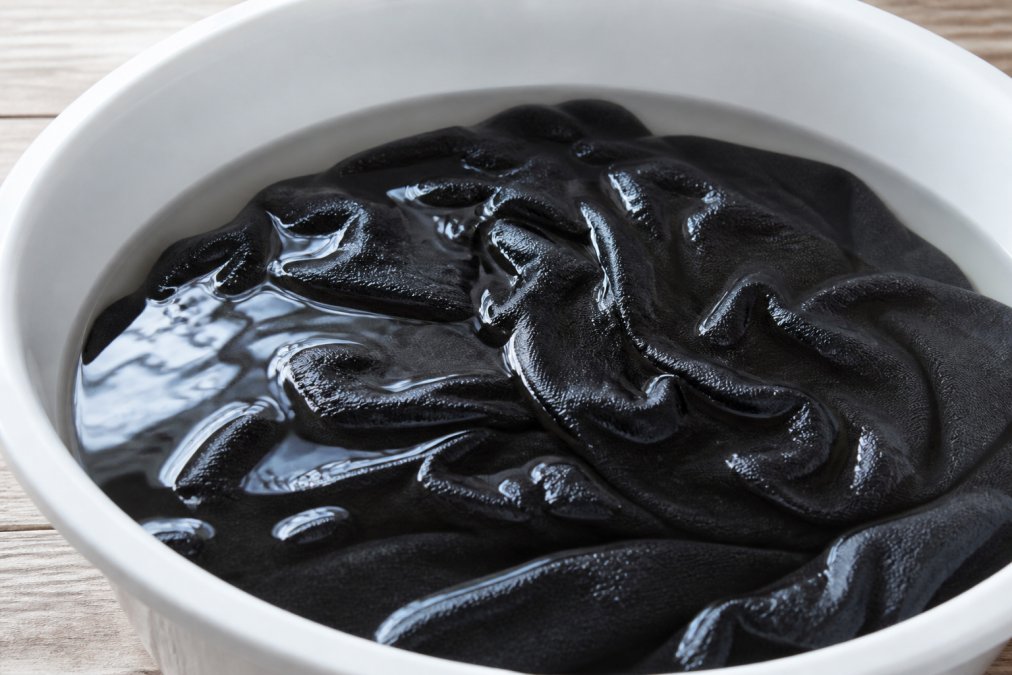
Vinegar works by breaking the chemical bond between smoke particles and fabric fibers. The acidity helps neutralize odor-causing compounds without damaging most materials. After soaking, rinse thoroughly with fresh water before washing normally. Persistent odors often linger in the drum itself, making regular cleaning your washing machine an essential step in ensuring that smoke residues do not simply transfer back onto your freshly laundered garments.
This method is safe for most fabrics, including delicate items. The vinegar smell itself fades once clothes dry. Cold water prevents heat from setting any remaining odor deeper into the fibers.
Hot Water Soak for Heavy Smoke Damage
When clothes have been exposed to heavy smoke, like turnout gear after a fire, hot water becomes necessary. Heat activates the cleaning process and helps break down stubborn residue.
Fill a basin with hot water (as hot as the fabric can tolerate, check the care label). Add either one cup of white vinegar or one-half cup of baking soda. Soak for 1-4 hours depending on damage severity.
Hot water soaking works better on cotton and synthetic blends. It's less suitable for delicate fabrics. The combination of heat and odor neutralization tackles deeply embedded smoke particles that cold water alone won't reach.
After soaking, drain the water and rinse multiple times. The smell should be significantly reduced before you wash the clothes in your machine.
Best Laundry Detergent for Smoke Odor
Not all detergents are equal when fighting smoke smell. Choosing the right product makes a real difference in the final result.
Enzymatic Detergents for Deep Cleaning
Enzymatic detergents contain special proteins that break down organic compounds, exactly what smoke residue is. These detergents attack the odor at a molecular level rather than just masking it.
Look for detergents labeled as enzymatic or containing protease enzymes. They're designed to handle tough, stubborn smells. Use the recommended amount and run your clothes on a warm or hot cycle (depending on fabric care instructions).
The enzyme-based approach is more effective than standard detergents for smoke odor removal. Many people see results after a single wash with an enzymatic product, especially if they've pre-soaked first.
Oxygen Bleach as a Laundry Additive
Oxygen bleach (also called oxygen booster) is a powerful odor-fighting additive that doesn't contain harsh chlorine. It releases oxygen bubbles that penetrate fabric fibers and neutralize odor compounds.
Add oxygen bleach to your regular wash cycle according to package instructions. It works well with both enzymatic and standard detergents. This combination approach, pre-soak plus oxygen bleach in the wash, handles even severe smoke damage.
Oxygen bleach is safer than chlorine bleach for most fabrics and colors. It's particularly useful for synthetic materials and blended fabrics. The oxidation process breaks down smoke particles effectively.
Removing Soot and Smoke From Turnout Gear
Firefighter turnout gear requires special care. This equipment is exposed to intense heat and smoke, and the fabric structure is designed differently than regular clothing.
Fabric-Specific Safety Warnings
Never use standard household cleaners on turnout gear. The protective coatings on firefighting equipment can be damaged by harsh chemicals. Stick to methods specifically approved for protective gear.
Check your gear's manufacturer care instructions before attempting any odor removal. Some departments provide specific cleaning guidelines. Following these protects both the gear's protective qualities and its lifespan.
For heavy smoke exposure on turnout gear, professional cleaning is often the safer choice. The gear's specialized construction means DIY methods carry more risk of damage. Your safety depends on the protective properties remaining intact.
Professional Cleaning vs. DIY
Professional fire gear cleaning services understand the specialized construction of turnout equipment. They use methods that remove smoke odor without damaging protective coatings or fabric integrity.
For everyday clothes, DIY methods work well. For turnout gear and specialized firefighting equipment, professional cleaning is often worth the investment. The cost is minimal compared to replacing damaged protective gear.
Many fire departments have relationships with professional cleaners who specialize in turnout gear. Check with your station first. They may have preferred vendors or even bulk cleaning arrangements.
Post-Treatment Storage and Odor Prevention
Once you've successfully removed the smoke smell, proper storage prevents the odor from returning or transferring to other items.
Store cleaned clothes in a dry, well-ventilated space.
Environmental Impact and Sustainable Odor Removal
The methods covered here are environmentally friendly compared to chemical-heavy commercial odor removers. Vinegar, baking soda, and sunlight are natural solutions with minimal environmental impact.
Frequently Asked Questions
How long does smoke smell last on clothes?
Smoke particles embed deep in fabric fibers, and surface-level washing often won't eliminate the odor completely. Light smoke smell may fade within days of air drying and sunlight exposure, but heavy smoke damage from turnout gear or thrifted clothing can persist for weeks or months without active treatment. The longer clothes absorb smoke, the longer odor neutralization takes. Most people see results within 2-7 days using enzymatic detergent or oxygen bleach methods, though stubborn residue may require multiple treatment cycles.
Can vinegar remove smoke smell from clothes?
Distilled white vinegar is effective for smoke odor removal because its acidic pH balance helps break down volatile organic compounds that cause the smell. A cold water soak with vinegar works best for delicate fabrics, while hot water soaks with vinegar are better for cotton and synthetic fabrics that can handle higher temperatures. Use one part vinegar to four parts water, soak for 30 minutes to several hours, then rinse thoroughly. The vinegar smell dissipates as clothes dry, taking smoke particles with it.
What is the best method to remove smoke smell from turnout gear?
Turnout gear requires careful handling because synthetic fabrics and protective coatings can be damaged by harsh chemicals. Start with gentle air drying and sunlight exposure outdoors. For deeper cleaning, use enzymatic detergent specifically designed for delicate fabrics, avoiding oxygen bleach or vinegar soaks that may compromise the gear's protective properties. Consider professional cleaning services if smoke damage is severe, as they have equipment to remove soot and smoke residue without damaging the fabric or safety features of the gear.
Do I need to wash clothes to remove smoke smell?
No. Pre-treat methods like air drying, sunlight exposure, and sealable container absorption can reduce or eliminate light smoke odor without washing. However, clothes exposed to heavy smoke or soot benefit from soaking in vinegar or water solutions before the machine cycle. For maximum odor neutralization, combine pre-treatment methods with a wash using enzymatic detergent or oxygen booster. This two-step approach removes both volatile organic compounds and embedded smoke particles from fabric fibers more effectively than washing alone.
