

Firefighter Cancer Prevention: 7 Essential Tips for Active Duty
Table of Contents
- Why Firefighter Cancer Prevention Matters Now
- Understanding Carcinogen Exposure on the Fireground
- Decontamination Procedures for Fire Gear: The First Line of Defense
- Respiratory Protection Standards and Proper SCBA Use
- Firefighter Cancer Presumptive Laws: What You Need to Know
- Firefighter Cancer Screening Guidelines and Early Detection
- Lifestyle Habits That Reduce Cancer Risk Beyond the Firehouse
- Preventing Home-Life Contamination and Mental Health Support
Last Updated: August 17, 2026
Why Firefighter Cancer Prevention Matters Now
Firefighters face occupational exposures that significantly increase cancer risk. Running into burning buildings, breathing smoke and toxic combustion byproducts, and handling contaminated gear creates a unique occupational health challenge. What was once accepted as "part of the job" is now recognized as preventable through deliberate action.
At Black Helmet, we serve firefighters who understand that protecting themselves off the fireground is just as important as protecting others on it. This guide covers practical, actionable steps that active-duty firefighters can implement immediately to reduce their cancer risk, from decontamination protocols to lifestyle changes that matter. The science is clear: exposure to carcinogens like polycyclic aromatic hydrocarbons and diesel exhaust happens during firefighting, but cumulative damage can be reduced through intentional prevention strategies.

Understanding Carcinogen Exposure on the Fireground
Every fire produces toxic combustion byproducts. Smoke contains polycyclic aromatic hydrocarbons, benzene, formaldehyde, and diesel exhaust particles that enter the body through inhalation and skin absorption during and after fireground operations.
Exposure doesn't stop when you leave the scene. Contaminated turnout gear continues off-gassing in the truck, locker, and potentially at home. Many firefighters underestimate secondary exposure: sitting in the apparatus cab wearing saturated gear, handling contaminated equipment at the station without proper decontamination, and potentially bringing contaminants home on clothing and skin. Each moment represents an opportunity for exposure reduction.
Duration and intensity of exposure matter. Structure fires that burn for hours create more hazardous exposure than car fires. Overhaul operations, where firefighters spend extended time in heavily contaminated environments, represent significant occupational exposure.
Decontamination Procedures for Fire Gear: The First Line of Defense
Proper decontamination of turnout gear is the single most effective way to reduce carcinogen exposure at your station. Start with gross decontamination immediately after fireground operations. Remove your SCBA and outer protective equipment at the scene or in the apparatus bay, not in the station proper. Wipe down your face and exposed skin with damp cloths before entering the station.
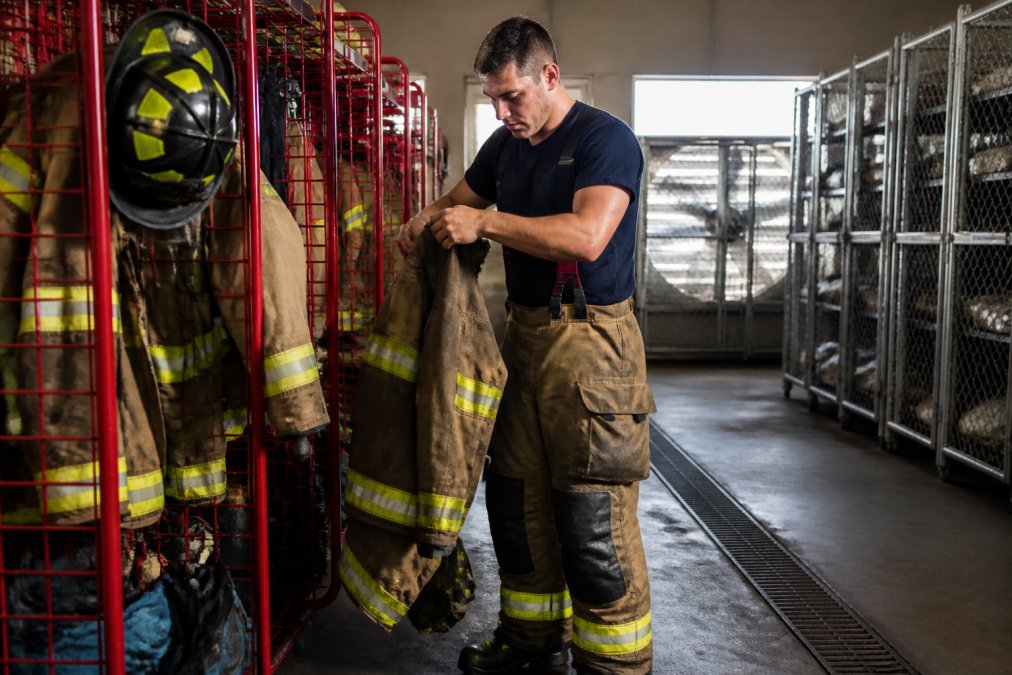
Establish a dedicated decontamination zone separate from living quarters. Turnout gear should never sit in the bunk room or kitchen. A ventilated gear storage room or external storage area is ideal. Many stations now use a "clean cab" concept, removing contaminated gear before entering the apparatus cab to prevent off-gassing in an enclosed space.
Cleaning frequency matters. Turnout gear should be inspected and cleaned after every significant exposure. Commercial gear cleaning services using specialized equipment are more effective than station washing. Change base layers, socks, and undergarments immediately after returning to the station and wash them separately from regular laundry.
Keep cleaned turnout gear in a well-ventilated area away from food preparation and sleeping spaces.
Respiratory Protection Standards and Proper SCBA Use
Your respiratory protection system is your primary defense against inhaling carcinogens during fireground operations. SCBA use should be standard protocol for every interior structure fire, not optional.
Proper fit testing is non-negotiable. Your SCBA facepiece must seal tightly to your face. Annual fit testing ensures your equipment still fits correctly and that you know how to don it properly under stress.
Don't remove your SCBA until you're in a clean environment. Many firefighters remove their mask during overhaul operations or when they think the air is "clear enough." If you're in a contaminated environment, your SCBA stays on.
Maintenance of your SCBA is critical. A malfunctioning unit or compromised seal puts you at risk. Follow your department's maintenance schedule and report any issues immediately.
Firefighter Cancer Presumptive Laws: What You Need to Know
Many states recognize certain cancers as occupational diseases for firefighters, affecting your access to workers' compensation and your family's financial security if you develop cancer. Presumptive laws assume that if you're a firefighter and develop certain cancers, they're work-related unless proven otherwise.
Common cancers covered include lung cancer, bladder cancer, kidney cancer, and certain blood cancers. Some states also include skin cancer and prostate cancer. If diagnosed with cancer, contact your state's workers' compensation board or your department's union representative to understand your specific coverage.
Presumptive laws also affect access to early screening and preventative care. Some states provide firefighters with access to cancer screening programs as part of occupational health initiatives. Documentation of significant exposures, especially high-risk calls like structure fires, strengthens your position if you need to file a claim.
Firefighter Cancer Screening Guidelines and Early Detection
Early detection saves lives. Firefighters should follow screening guidelines more aggressive than general population recommendations, given your elevated cancer risk.
Establish a relationship with a physician who understands occupational health and can help you develop an appropriate screening plan. Baseline health screening before symptoms develop allows doctors to track changes over time.
Lung cancer screening is particularly relevant for firefighters with 15 or more years of fireground exposure. Low-dose CT screening can detect lung cancer at earlier stages when treatment is most effective.
Skin cancer screening should be part of your annual health checkup. A dermatologist can perform a full-body skin examination annually. Report any new moles, changes in existing moles, or unusual skin growths immediately.
Prostate cancer screening is recommended for firefighters over 40. Discuss screening options with your physician. Bladder and kidney cancer screening is less straightforward, but discuss your personal risk with your physician if you have significant fireground exposure history.
Lifestyle Habits That Reduce Cancer Risk Beyond the Firehouse
What you do off-duty has a profound impact on your cancer risk. These habits don't eliminate occupational exposure, but they significantly reduce cumulative damage.

Physical activity reduces cancer risk across multiple cancer types. Aim for at least 150 minutes of moderate aerobic activity per week, plus strength training twice weekly. Exercise also reduces chronic inflammation, which is linked to cancer development.
Nutrition directly impacts your body's ability to repair damage from carcinogen exposure. A diet rich in vegetables, whole grains, and lean protein provides antioxidants and nutrients that support cellular repair. Limit processed foods, red meat, and alcohol.
Maintain a healthy weight. Avoid tobacco entirely. Firefighters who smoke and have significant fireground exposure face compounded cancer risk. Sleep quality matters more than many firefighters realize. Chronic sleep disruption increases cancer risk and impairs your immune system's ability to identify precancerous cells. Limit alcohol consumption and use sunscreen during off-duty time.
Preventing Home-Life Contamination and Mental Health Support
Never bring turnout gear into your home. Gear stored in living spaces continues off-gassing and contaminates your environment. Establish a clear boundary: contaminated gear stays outside or in dedicated external storage.
Change your clothes and shower immediately after returning home from a shift. Don't sit on furniture or spend time in your home while wearing contaminated clothing. Wash your work clothes separately from your family's laundry in hot water with heavy-duty detergent.
Educate your family about occupational exposure and prevention. This builds support for behavioral changes and helps them understand that your prevention efforts protect them too.
Mental health support is part of cancer prevention. Chronic stress increases cancer risk through chronic inflammation and immune suppression. Employee Assistance Programs at your department often offer counseling services. Connection to your crew and your department's cancer prevention culture matters. Stations that take cancer prevention seriously create peer support and accountability.
Firefighter cancer prevention requires action on multiple fronts: proper decontamination of gear, respiratory protection, understanding your legal rights, regular health screening, lifestyle choices that support your body's defenses, and preventing contamination in your home environment. Together, these actions create a comprehensive approach to protecting yourself and your family.
At Black Helmet, we're committed to supporting firefighters who take their health seriously. Our Firefighters For the Cure Pink Ribbon Maltese Cross Lapel Pin and Fight Cancer Black Helmet Pink Fire Hose Pin represent a commitment to cancer awareness and support within the fire service community. Start your cancer prevention strategy today, your future self will thank you.

Frequently Asked Questions
What is the 5-5-5 rule in firefighter cancer prevention?
The 5-5-5 rule emphasizes five key actions within five minutes of exposure and five hours post-incident: remove PPE immediately, shower within five minutes of leaving the fireground, wash turnout gear separately, change into clean clothes, and document the exposure. This rapid decontamination significantly reduces skin absorption of polycyclic aromatic hydrocarbons and toxic combustion byproducts. Many departments now mandate this protocol as part of fireground safety standards.
How often should firefighters undergo cancer screening according to firefighter cancer screening guidelines?
Most occupational health experts recommend annual baseline screenings starting at age 40, or earlier if you have significant fireground experience. Screenings should include physical exams, occupational history documentation, and baseline bloodwork. Some departments recommend biennial screenings for those under 40 with less than 10 years of service. Discuss your personal risk factors and family history with occupational health providers to establish a screening schedule tailored to your exposure level.
What do firefighter cancer presumptive laws cover?
Firefighter cancer presumptive laws vary by state but typically presume that certain cancers are occupational illnesses for firefighters, making workers' compensation claims easier to approve. Many states cover lung, skin, bladder, and kidney cancers. Federal law and some state laws recognize cancer as presumptively occupational if diagnosed during active duty or within a specified period after retirement. Check your state's specific presumptive law and your department's workers' compensation policies to understand your coverage and filing deadlines.
How can decontamination procedures for fire gear reduce long-term cancer risk?
Proper decontamination procedures remove carcinogens like diesel exhaust particles and polycyclic aromatic hydrocarbons from gear before they transfer to skin or home environments. Washing turnout gear separately in hot water, air-drying (never machine-drying), and storing in a dedicated locker prevents off-gassing in living spaces and reduces chronic inflammation from repeated skin exposure. Departments implementing strict decontamination protocols report lower occupational exposure logs and reduced biomonitoring markers in firefighters' blood tests.
This article was written using GrandRanker
