

What Makes Firefighter Clothing Premium Quality?
Table of Contents
- Premium Firefighter Clothing Starts with NFPA Compliance, Not Labels
- The Three-Layer System: How Each Layer Defines Quality
- Inherently Flame-Resistant Materials vs. Treated Fabrics
- Moisture-Wicking Firefighter Gear: Why Breathability Matters On and Off Duty
- Firefighter Station Wear Standards: What to Look For in Daily Uniforms
- Durability and Abrasion Resistance: The Real Cost of Cheap Gear
- Firefighter Clothing Maintenance Tips to Extend Gear Life
- The Bottom Line on Premium Firefighter Clothing
- Frequently Asked Questions
Last Updated: September 8, 2026
The difference between firefighter clothing that protects for a decade and gear that fails after two seasons rarely comes down to the label on the collar. It comes down to engineering, material science, and honest manufacturing standards. Understanding what makes firefighter clothing premium quality starts with recognizing that turnout gear is a certified safety system, not a fashion purchase, and the same logic applies to the station wear and apparel you choose for daily life. Quality reveals itself in specific, measurable ways.
Premium firefighter clothing is defined by verified compliance with established safety standards, the performance of its multi-layer construction, and the integrity of the materials used. Most guides skip past the technical details, but those details are exactly what separates life-saving equipment from costume pieces. Below, we'll show you how to evaluate each layer, what standards actually matter, and how to maintain your investment so it performs when called upon.
Premium Firefighter Clothing Starts with NFPA Compliance, Not Labels
The single most important marker of premium firefighter clothing is NFPA compliance. The National Fire Protection Association sets the performance benchmarks that structural firefighting gear must meet, and these standards govern everything from thermal protection to physical integrity. When a manufacturer claims its gear is "fire resistant" without referencing a specific NFPA standard, treat that claim with skepticism.
NFPA compliance is not a marketing badge. It represents documented, third-party testing against measurable criteria for heat resistance, flame spread, and physical durability. For structural turnout gear, NFPA 1971 establishes the requirements for protection against thermal and environmental hazards (nfpa.org). For station wear and daily uniforms, NFPA 1975 sets the standard for station workwear, ensuring fabrics resist ignition and do not melt or drip when exposed to flame.
What does this mean for the average firefighter looking for quality apparel? It means the term "premium" must be anchored to verifiable standards, not subjective opinion. A garment that meets NFPA 1975 for station wear has proven its ignition resistance and thermal stability. A shirt that makes no compliance claim may look identical but offers none of the protection. NFPA standards overview for firefighter PPE provides the definitive reference for understanding which standards apply to each category of gear.
The Three-Layer System: How Each Layer Defines Quality
Premium structural firefighter clothing operates as a three-layer protection system, and each layer performs a distinct, non-negotiable function. Understanding how these layers work together helps you evaluate why some gear costs more and why cutting corners on any single layer compromises the entire system.
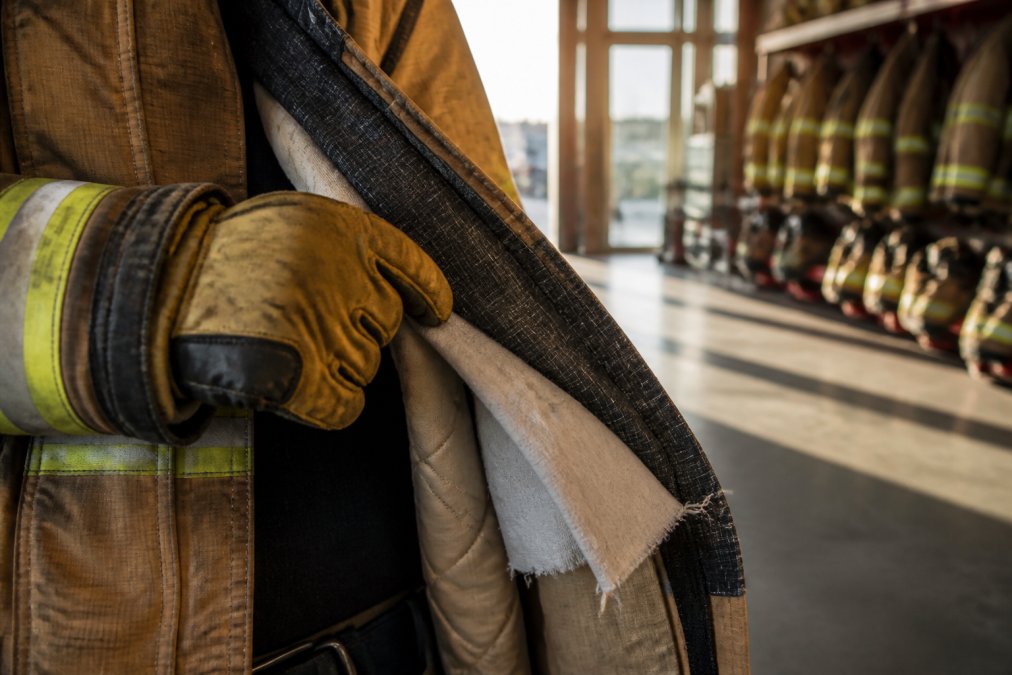
The three layers work in sequence: the outer shell blocks heat and physical damage, the moisture barrier stops water and harmful chemicals from reaching the body, and the thermal liner traps insulating air to prevent burn injuries. When evaluating quality, examine how these layers are joined. Poorly constructed gear uses weak seam attachments that fail under stress. Premium gear uses reinforced stitching and thermal taping that maintains the integrity of the moisture barrier across every seam.
Outer Shell: First Line of Defense
The outer shell is the layer that takes the brunt of physical abuse. Premium shells are woven from high-performance aramid fibers, including Nomex and Kevlar, which provide intrinsic heat resistance and high tensile strength. These materials do not rely on chemical treatments to resist flame; the fiber itself is inherently flame-resistant, meaning the protection cannot wash out or degrade over time.
The outer shell also provides abrasion resistance, protecting the inner layers from cuts, tears, and wear. When you drag a hose line across asphalt or crawl through broken glass, the outer shell absorbs that damage. A premium shell uses a tight, dense weave that resists snagging and maintains its integrity after repeated exposure to heat and moisture. Cheaper shells may use lighter fabrics that feel flexible in the store but break down quickly under real working conditions.
Moisture Barrier and Thermal Liner Performance
The moisture barrier sits between the outer shell and the thermal liner, and its job is to keep water and hazardous liquids out while allowing sweat vapor to escape. Premium moisture barriers use microporous membranes that block liquid penetration while maintaining breathability. This balance is critical: a barrier that traps all moisture leads to dangerous heat stress during extended operations.
The thermal liner is where thermal protection performance is truly determined. Premium liners use multiple layers of insulating materials, often aramid-based batting, to create a thick air gap between the outer shell and your body. The quality of this liner determines how long you can work in radiant heat before feeling discomfort. Gear with thin or uneven liners provides less protection and contributes to faster fatigue on the fireground.
Inherently Flame-Resistant Materials vs. Treated Fabrics
A critical distinction separates premium firefighter clothing from cheaper alternatives: the difference between inherently flame-resistant fibers and fabrics treated with flame-retardant chemicals. Inherently flame-resistant materials, such as Nomex, Kevlar, and Modacrylic, have flame resistance built into the molecular structure of the fiber itself. This protection is permanent and cannot be washed out, no matter how many times the garment is cleaned.
Treated fabrics, by contrast, are made from conventional fibers like cotton or polyester that receive a chemical finish to resist ignition. These treatments are effective when new, but they degrade with every wash, every exposure to sunlight, and every encounter with harsh cleaning agents. After a year of regular laundering, a treated fabric may offer significantly less protection than it did on day one.
For structural firefighting gear, NFPA standards require the use of materials that maintain their protective properties over the life of the garment. This is why premium turnout gear relies almost exclusively on inherently flame-resistant fibers. When you see a significant price difference between two jackets, the material composition is often the reason. The premium jacket costs more because the raw materials cost more, and the protection lasts longer. spotting quality clothing.
Moisture-Wicking Firefighter Gear: Why Breathability Matters On and Off Duty
Heat stress is one of the most serious threats firefighters face, and the clothing you wear directly influences your body's ability to regulate temperature. Moisture-wicking firefighter gear pulls sweat away from the skin and moves it to the outer surface of the fabric, where it can evaporate. This process keeps your core temperature lower during physical exertion and reduces the risk of heat-related illness.
Premium moisture management starts with the base layer. Fabrics engineered with synthetic fibers like polyester or specialized blends transport moisture more effectively than cotton, which absorbs sweat and holds it against the skin. On the fireground, a quality base layer under your turnout gear can mean the difference between staying operational and succumbing to fatigue.
The same principle applies to station wear. A premium station shirt with moisture-wicking properties keeps you comfortable during training, apparatus checks, and emergency response. When you transition from a call back to the station, a breathable shirt helps your body cool down faster and prevents the chill that comes from wearing damp clothing in an air-conditioned building. This is why moisture-wicking firefighter gear has become standard for departments that prioritize firefighter health and performance.
Firefighter Station Wear Standards: What to Look For in Daily Uniforms
Daily station wear does not require the same thermal protection as turnout gear, but it still falls under specific standards. Firefighter station wear standards, primarily NFPA 1975, govern the fabrics used in station uniforms to ensure they resist ignition and do not contribute to burn injuries. A station shirt that meets this standard will not melt onto your skin if exposed to flash fire or radiant heat.
When evaluating station wear, check for the NFPA 1975 label and examine the fabric composition. Premium station shirts typically use a blend of inherently flame-resistant fibers or high-quality synthetic materials that meet the ignition resistance requirements. The fit and construction matter too: reinforced seams, durable collar construction, and colorfast fabrics that survive industrial laundering indicate a manufacturer that understands the demands of the job.
For off-duty wear, the standards are less strict, but the durability expectations remain. A premium firefighter t-shirt or hoodie should withstand repeated washing without shrinking, fading, or losing its shape. Quality fabrics hold their color and structure because they use higher thread counts and better dye processes. Brands that serve the firefighter community, like Black Helmet, design apparel that reflects the rugged nature of the work while maintaining comfort for daily wear.
Durability and Abrasion Resistance: The Real Cost of Cheap Gear
The true cost of firefighter clothing is measured over its full lifespan, not its purchase price. A cheap jacket that needs replacement every two years costs more over a decade than a premium jacket that lasts five or six, especially when you factor in the cost of a failure at the wrong moment. Lifecycle cost analysis reveals that investing in durable, abrasion-resistant gear is the financially responsible choice for both individual firefighters and departments.
Fabric durability is determined by several factors: the strength of the fibers, the density of the weave, and the quality of the seam construction. Aramid fibers like Nomex and Kevlar are known for their exceptional strength-to-weight ratio and their ability to withstand repeated abrasion without breaking down. The same properties that make these fibers ideal for turnout gear make them valuable in station wear that faces daily abuse.
A common mistake is assuming that heavier fabric always means more durable fabric. In reality, a well-constructed lighter fabric with high tensile strength can outperform a heavier fabric made from weaker fibers. The key is to examine the fabric's construction and the manufacturer's reputation, not just the weight of the material. Firefighter clothing maintenance also plays a role in durability; gear that is properly cleaned and stored lasts significantly longer than gear that is neglected.
Firefighter Clothing Maintenance Tips to Extend Gear Life
Proper maintenance is the most overlooked factor in extending the life of premium firefighter clothing. Even the best turnout gear will degrade prematurely if it is not cleaned and stored correctly. Contaminants from the fireground, including carcinogens and corrosive chemicals, break down fabric fibers over time. Regular cleaning removes these contaminants and preserves the integrity of the protective layers.
For structural turnout gear, follow the manufacturer's cleaning instructions and NFPA guidelines for gear inspection and care. This includes regular washing with approved detergents, thorough drying, and routine inspections for damage. Post-fire decontamination is critical: gear exposed to smoke and combustion byproducts should be cleaned as soon as possible to prevent carcinogen exposure during future incidents. NIOSH guidance on firefighter gear decontamination offers practical protocols for reducing contamination risks.
For station wear and off-duty apparel, the rules are simpler but still important. Wash garments inside out in cold water to preserve color and fabric structure. Avoid fabric softeners, which coat synthetic fibers and reduce their moisture-wicking performance. Hang dry when possible, since high heat from dryers can break down elastic fibers and accelerate shrinkage. These simple habits dramatically extend the usable life of your clothing.
The Bottom Line on Premium Firefighter Clothing
Premium firefighter clothing is defined by verifiable standards, quality materials, and honest construction, not by marketing claims or brand logos. NFPA compliance provides the baseline for safety, while the choice of inherently flame-resistant fibers and durable construction determines how long that protection lasts. Breathability and moisture management keep you performing at your best, and proper maintenance ensures your investment pays off over years of service.
When you choose apparel that meets these standards, you are choosing gear that respects the job and the people who do it. Whether you are purchasing structural turnout gear for the fireground or a hoodie for off-duty wear, the same principles apply: look for quality materials, verified compliance, and construction that will hold up under real conditions. Firefighter clothing that meets these criteria is an investment in your safety and your comfort, and it honors the tradition of the fire service.
Frequently Asked Questions
What materials are used in high-quality firefighter station wear?
High-quality station wear typically uses inherently flame-resistant fabrics like Nomex, Kevlar, or Modacrylic blends rather than treated cotton. These aramid fibers provide built-in thermal protection that won't wash out over time. Premium station pants and shirts also incorporate moisture-wicking properties to manage sweat during non-emergency duties. Look for NFPA-compliant fabrics with a minimum arc rating, reinforced stitching at stress points, and fabric weights around 7-8 oz for daily durability without sacrificing mobility.
How do you distinguish between standard and premium firefighter apparel?
Premium firefighter apparel differs in three measurable ways: materials, construction, and certification. Standard gear may use flame-resistant treated fabrics, while premium options use inherently flame-resistant fibers like Nomex or Kevlar that maintain protection for the garment's full lifespan. Examine the stitching: premium items use double or triple needle seams at stress points. Check for NFPA compliance labels and specific standards like NFPA 1971 for turnout gear or NFPA 1975 for station wear.
Why is moisture-wicking important for firefighter apparel?
Moisture-wicking fabrics pull sweat away from your skin to the outer surface where it can evaporate. For firefighters, this serves two critical functions. On the fireground, a dry base layer reduces the risk of steam burns inside turnout gear and helps prevent heat stress during extended operations. In the station, moisture management keeps you comfortable during daily duties and physical training. Premium moisture-wicking firefighter gear uses synthetic blends or specially treated natural fibers that dry quickly, resist odor-causing bacteria, and maintain their performance through repeated industrial washing.
How does fabric weight affect the durability of firefighter clothing?
Fabric weight directly correlates with abrasion resistance and tear strength. Heavier fabrics, measured in ounces per square yard, typically withstand more physical punishment from rubbing against walls, tools, and vehicle surfaces. Premium structural firefighting gear uses outer shells in the 7.5-8 oz range to balance durability with mobility. However, heavier isn't always better: excessive weight contributes to fatigue over a 24-hour shift. Quality manufacturers engineer fabric weaves and reinforcements at high-wear areas like knees and elbows to extend service life without adding weight across the entire garment.
Choosing premium firefighter clothing is about more than meeting a standard; it is about respecting the work you do and the legacy you carry. Black Helmet builds apparel for firefighters who value authenticity, durability, and the brotherhood of the service. From premium shirts and hoodies to accessories crafted from real decommissioned bunker gear, every piece is designed to represent the pride of the job. Get started with Black Helmet and wear gear that honors your service, on duty and off.
