

Transition from Night Shift to Day Shift: A Firefighter's Guide
Table of Contents
- Why Transitioning from Night Shift to Day Shift Matters for Firefighters
- How Long to Adjust from Night Shift to Day Shift
- How to Reset Sleep Schedule After Night Shift Work
- Night Shift to Day Shift Transition Schedule: A Week-by-Week Plan
- Sleep Tips for Switching from Night Shift to Day Shift
- Common Mistakes to Avoid When Transitioning from Night Shift to Day Shift
- When to Seek Professional Help
- Frequently Asked Questions
Last Updated: October 10, 2026
Why Transitioning from Night Shift to Day Shift Matters for Firefighters
Your body runs on a clock. That clock controls when you sleep, when you're alert, and how you perform on the job. When you transition from night shift to day shift, you're asking your body to completely reset that internal timer.
For firefighters, this isn't just about comfort. It's about safety. A firefighter running on misaligned sleep is slower, less sharp, and more prone to mistakes when lives depend on quick decisions. The adjustment period is real, and it matters.
Firefighters face this exact challenge every day. Whether you're moving to day shift permanently, rotating between schedules, or starting at a new station, the stakes are high.
The good news: this transition is manageable. It takes planning, but it works. Below, we'll show you exactly how to reset your body clock, manage fatigue safely, and get back to peak performance on the day shift.
How Long to Adjust from Night Shift to Day Shift
Most firefighters need between 5 to 14 days to fully adjust when making the transition from night shift to day shift. The exact timeline depends on how long you worked nights, your age, and how strictly you follow the adjustment plan.
If you've been on night shift for months or years, expect closer to two weeks. If it's been a few weeks, five to seven days is more realistic. Your body's internal clock doesn't flip instantly. It shifts gradually.
The first three days are the hardest. Your body is still expecting nighttime sleep. You'll feel groggy, tired at odd times, and your alertness will dip. This is normal. Don't fight it.
One critical point: don't expect to feel 100% on day one of your new shift. Plan your first few days carefully. Avoid high-risk calls if possible. Stay extra alert during the adjustment window.
How to Reset Sleep Schedule After Night Shift Work
Resetting your sleep schedule is the foundation of everything else. Without this, caffeine, light exposure, and naps won't help much. Here's how to actually do it.
Gradually Shift Your Sleep and Wake Times
Don't flip your schedule overnight. Your body resists sudden changes. Instead, shift gradually.
Start three to four days before your last night shift. Move your bedtime 1-2 hours earlier each night. If you normally sleep from 8 a.m. to 4 p.m., shift to 6 a.m. to 2 p.m. the first night. Then 4 a.m. to noon the next night.
The same applies to wake times. Shift those earlier in 1-2 hour increments each day.
This gradual approach feels slower, but it works better. Your circadian rhythm adjusts more smoothly. You avoid the brutal shock of sudden change.
On your final night shift, stay awake the entire shift. Yes, the whole shift. Don't nap beforehand. When the shift ends at morning, go straight to bed at your new nighttime bedtime. This resets your clock more decisively than trying to sleep normally the night before.
Use Light Exposure to Reset Your Body Clock
Light is your body's strongest time signal. It tells your circadian rhythm when to wake and when to sleep.
Get bright light exposure immediately after waking. Open your curtains. Step outside if you can. Aim for 20-30 minutes of natural daylight within an hour of waking. This signals to your body: it's daytime, stay alert.
In the evening, do the opposite. Dim the lights starting two hours before bed. Use blackout shades. Reduce screen time. Your body interprets darkness as a signal to produce melatonin, the sleep hormone.
If you work an evening shift before transitioning to days, manage light carefully during that transition week. Wear sunglasses on your drive home after a night shift to block morning light. This prevents your body from thinking it's time to wake up. Then get bright light when you're supposed to be awake on your new schedule.
Optimize Your Sleep Environment
Your bedroom should feel like a sleep cave. Cool, dark, and quiet.
Temperature matters. Most people sleep best between 60-67 degrees Fahrenheit. If your bedroom is warmer, it's harder to fall asleep. Turn down the thermostat or use a fan.
Darkness is non-negotiable. Blackout shades are worth the investment. Even small amounts of light disrupt sleep. If you can't install shades, use a sleep mask.
Noise is the third killer. Earplugs work. A white noise machine works better. It masks sudden sounds that jolt you awake. For firefighters in a station, this might mean negotiating quiet hours with your crew during your adjustment period.
Night Shift to Day Shift Transition Schedule: A Week-by-Week Plan
Here's a concrete plan.
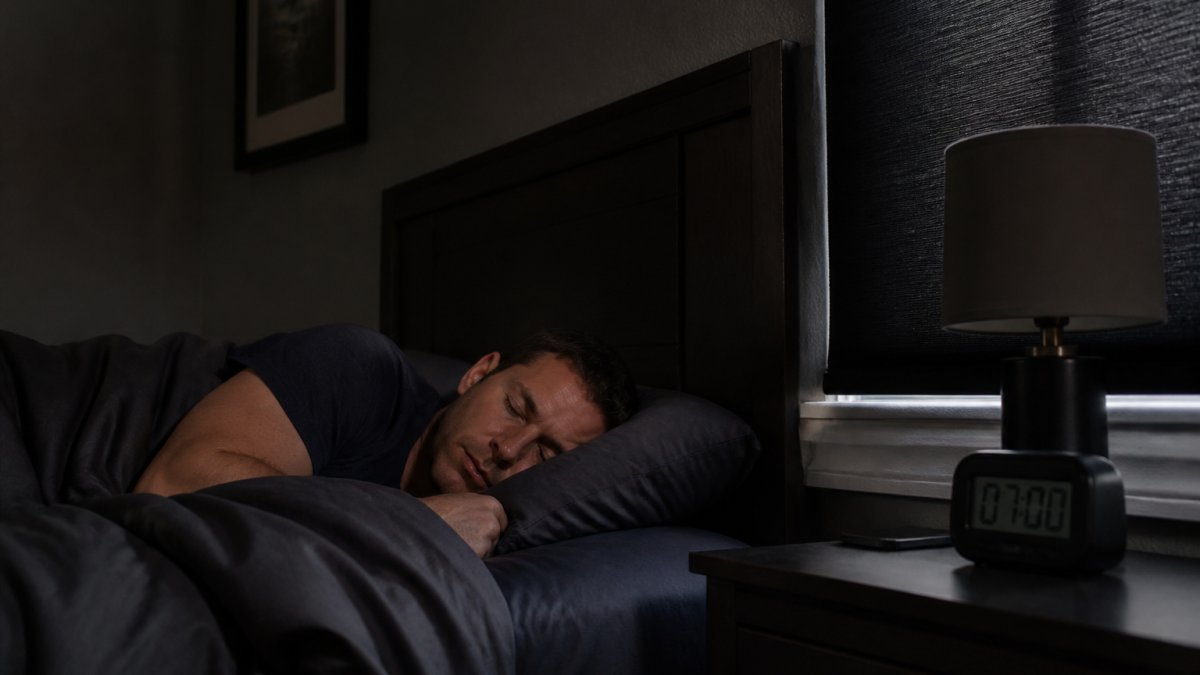
Days 1-2 (Before Your Last Night Shift)
Shift your sleep time 2 hours earlier each night.
Shift wake times to match. Wake two hours earlier than normal.
Get bright light as soon as you wake.
Day 3 (Your Last Night Shift)
Stay awake the entire shift. No naps beforehand.
Use your optimized sleep environment: cool room, blackout shades, white noise or earplugs.
Days 4-7 (Your First Week on Day Shift)
Wake at your new wake time every morning. Get bright light immediately.
Stick to your new sleep schedule even if you don't feel tired.
Avoid long naps.
Eat meals at your new meal times. This reinforces the schedule change.
Dim lights two hours before bed. No screens after 9 p.m. if possible.
Days 8-14 (Second Week)
By now, your body is adjusting.
Continue the same routine.
If you still feel foggy, extend this phase another week. Some people need it.
By day 14, most firefighters feel significantly better.
Sleep Tips for Switching from Night Shift to Day Shift
Getting the basics right, sleep timing, light, environment, handles most of the heavy lifting. But these additional strategies accelerate your adjustment and reduce fatigue during the transition.
Strategic Napping During the Transition
Naps are a tool, not a crutch. Use them correctly.
A 20-minute nap is ideal. It refreshes you without leaving you groggy. Anything longer than 30 minutes pushes you into deep sleep, and waking from deep sleep feels terrible.
Timing matters. Nap in the early afternoon, between 1 p.m. and 3 p.m. Never nap after 4 p.m. It will wreck your nighttime sleep.
During your transition week, one strategic nap per day is fine. After you've adjusted, avoid naps altogether. They interfere with nighttime sleep consolidation.
If you find yourself needing naps after two weeks, that's a sign something else is off. Check your light exposure, caffeine timing, and sleep environment.
Caffeine Timing and Meal Planning
Caffeine is powerful. It also lingers. The half-life of caffeine is 5-6 hours. That means if you drink coffee at noon, half of it is still in your system at 5 p.m.
During your transition, drink caffeine only in the morning. Aim for your first coffee within 30 minutes of waking. This reinforces your new wake time and boosts alertness when you need it.
Stop all caffeine by 2 p.m. This gives your body time to clear it before bed.
Meals also anchor your circadian rhythm. Eat breakfast at the same time every morning. Eat lunch at noon. Eat dinner at 6 p.m. This consistency tells your body when to expect energy and when to prepare for sleep.
Avoid heavy meals within three hours of bedtime. They disrupt sleep quality.
Stay hydrated during the day. Dehydration increases fatigue and makes the transition feel worse.
Managing Fatigue and Safety
During the adjustment period, your fatigue will spike at certain times. Expect it around 2-4 a.m. (your old sleep time) and again around mid-afternoon.
These dips are normal. Your body is still partially on the old schedule. Don't fight them with more caffeine.
On the job, this matters. If you're exhausted during a call, communicate with your crew. Don't take unnecessary risks. Your safety and theirs depend on you being honest about your fatigue level.
For the first week, avoid driving long distances if possible. Your reaction time is slower. If you must drive, take breaks every hour.
Watch for signs of severe fatigue: difficulty concentrating, irritability, or nodding off during the day. If this happens beyond day 10, consider talking to a doctor or your department's occupational health team.
Common Mistakes to Avoid When Transitioning from Night Shift to Day Shift
Most firefighters make the same mistakes during their transition from night shift to day shift.
Mistake 1: Inconsistent Sleep Times
You shift your schedule Monday through Friday, then sleep in on Saturday. Your body gets confused.
Stay consistent even on days off.
Mistake 2: Relying on Alcohol to Sleep
Alcohol feels like it helps you sleep. It doesn't. It fragments your sleep and prevents deep, restorative rest.
Avoid alcohol for the first week of your transition.
Mistake 3: Ignoring Light Exposure
You stay indoors. You wear sunglasses on your drive home.
Light exposure is your most powerful tool. Get it right and everything else becomes easier.
Mistake 4: Trying to Sleep During the Day
Some firefighters try to "bank" sleep before their last night shift. They sleep during the day to prepare.
This doesn't work. It confuses your body further. Instead, shift gradually as described above.
Mistake 5: Overusing Caffeine
You feel tired, so you drink more coffee.
Stick to one cup in the morning. That's it during the transition.
When to Seek Professional Help
Most firefighters adjust within two weeks using the strategies above. Some don't.
If you're still struggling after 14 days, consider talking to a sleep specialist or your department's occupational health provider. A few signs it's time:
- You're unable to fall asleep despite being exhausted
- You wake multiple times each night and can't fall back asleep
- You feel severely fatigued even after eight hours of sleep
- Your mood is significantly affected (depression, anxiety, irritability)
- You're having trouble concentrating or making decisions on the job
A sleep specialist can rule out underlying conditions like sleep apnea or insomnia. They can also provide personalized strategies based on your specific situation.
Some departments offer sleep coaching or circadian rhythm consultation. If yours does, use it. It's a resource designed for exactly this challenge.
There's also no shame in asking for a temporary adjustment to your schedule.
Transitioning from night shift to day shift is hard because your body resists change. But it's not impossible.
We respect the demands of the job and the reality that performance depends on sleep. Getting back to peak performance requires a body that's properly rested and ready for whatever comes.
Stick with the plan for two weeks. Your adjustment will come. And when it does, you'll feel the difference immediately.
Frequently Asked Questions
How long does it take to adjust your body clock when transitioning from night shift to day shift?
Most people need 7-14 days to adjust their circadian rhythm, though some firefighters adapt faster or slower depending on age, sleep debt, and how long they worked nights. Gradual transitions over 2-3 weeks reduce fatigue and improve sleep quality compared to abrupt changes. Individual differences matter, track your own alertness and sleep duration to gauge your adjustment period.
What's the best way to reset your sleep schedule after working night shifts?
Start by gradually shifting your bedtime 1-2 hours earlier each day, get bright light exposure in the morning (sunlight or a light box), and avoid caffeine after 2 PM. Create a dark, cool, quiet sleep environment with blackout shades and white noise if needed. Stick to consistent meal times and avoid heavy meals close to bedtime. Most firefighters see better results with a planned 1-2 week transition rather than forcing an immediate change.
Should I stay awake after my last night shift or sleep first when transitioning to day shift?
Sleep first if you're exhausted, forcing wakefulness increases accident risk and slows your adjustment. After your final night shift, take a 2-3 hour nap if possible, then stay awake through the afternoon and evening. Go to bed at your target day-shift bedtime. This approach reduces sleep debt while anchoring your new schedule. Prioritize safety over speed; a fatigued firefighter is a liability to the crew.
What should I eat when switching from night shift to day shift?
Eat a healthy breakfast within 1-2 hours of waking to signal your body that daytime is active time. Include protein and complex carbs to stabilize energy. Avoid heavy meals 3 hours before bed. Time caffeine before 2 PM only, it disrupts nighttime sleep even if you don't feel it. Stay hydrated throughout the day. Consistent meal timing helps reset your body clock faster than irregular eating, which prolongs fatigue and sleep problems.
