

How to Honor Firefighter Tradition: 7 Meaningful Ways
Table of Contents
- Understanding Fire Service Heritage and Why Honoring Tradition Matters
-
7 Ways to Honor Firefighter Tradition in Your Station and Community
- 1. Participate in Final Alarm Ceremonies and Bell Ringing Tributes
- 2. Establish Station-Level Commemoration Practices
- 3. Create Physical Memorials and Plaques for Fallen Heroes
- 4. Implement Firefighter Honor Guard Protocols
- 5. Wear the Badge of Honor with Pride and Respect
- 6. Embrace Digital Memorialization for Modern Remembrance
- 7. Pass Down Legacy Through Family-Centric Traditions
- Firefighter Funeral Traditions and Final Honors
- Firefighter Appreciation Ideas That Honor Service and Sacrifice
- Firefighter Retirement Traditions: Honoring Career Legacy
- Modernizing Traditions While Respecting Fire Service Values
- Representing the Brotherhood: Wearing Your Tradition with Pride
- Conclusion: Keeping the Flame of Tradition Alive
Last Updated: July 27, 2026
Understanding Fire Service Heritage and Why Honoring Tradition Matters
Fire service traditions hold departments together through loss, celebrate sacrifice, and pass legacy to the next generation. These customs are born from shared danger and mutual dependence, the understanding that your crew might not come home. When firefighters gather to honor fallen comrades or mark retirements, they reinforce a fundamental promise: no one serves alone, and no one is forgotten.
The fire service is evolving rapidly in 2026. Departments are more dispersed, schedules more complex, and the bonds that once formed naturally through station life require deliberate effort to maintain. Yet the core values, courage, sacrifice, brotherhood, duty, remain unchanged. Honoring firefighter tradition means finding ways to keep these values alive in a modern context, whether through ceremony, physical memorials, or the everyday choices firefighters make to represent their service with pride.
The Maltese Cross: Symbol of Sacrifice and Courage
The Maltese Cross appears on badges, shoulder patches, station flags, and firefighter apparel, representing protection of others, courage in the face of danger, and commitment to duty that transcends personal safety. Each of its eight points holds specific meaning: duty, honor, sacrifice, community, courage, faith, integrity, and tradition.
Understanding the Maltese Cross is essential to honoring firefighter tradition because it connects individual firefighters to centuries of service and sacrifice. Products like Black Helmet's Fight Fire 4 Principles Challenge Coin embody this symbolism, featuring the cross alongside principles that resonate with active and retired firefighters.
Brotherhood as the Foundation of Fire Service Culture
When crews train together, eat together, sleep in the same station, and face life-threatening situations side by side, bonds form that most people never experience. Station culture creates the environment where traditions thrive: rituals around meal preparation, how crews mark milestones, protocols for welcoming new members. These practices reinforce belonging and shared purpose.
The fire service brotherhood extends beyond individual stations to encompass the entire profession. Traditions create a common language of respect and remembrance that every firefighter understands.
7 Ways to Honor Firefighter Tradition in Your Station and Community
1. Participate in Final Alarm Ceremonies and Bell Ringing Tributes
The Final Alarm ceremony stands as one of the most solemn traditions in the fire service. When a firefighter dies in the line of duty, departments conduct a ceremony that includes the ringing of the station bell five times, a practice dating back to the earliest days of organized firefighting. The bell rings slowly, deliberately, marking the end of a firefighter's watch.
Participating in Final Alarm ceremonies means showing up with your crew in dress uniform and bearing witness to loss. Establish bell ringing protocols: when a firefighter passes, ring the bell five times during shift change, including the firefighter's name, years of service, and a brief reflection on their character.
2. Establish Station-Level Commemoration Practices
Every station should have deliberate practices for commemorating firefighters who have passed, retired, or transferred. This might include a memorial wall featuring photos and names of firefighters who died in the line of duty, a retirement ceremony tradition, or an annual gathering to mark significant dates in your station's history.
Physical memorials serve as daily reminders of sacrifice and legacy. A plaque near the station entrance, a flagpole with the Maltese Cross, or a dedicated space inside the station where photos and mementos are displayed create touchstones for remembrance. Station-level traditions also include everyday practices: how you mark a firefighter's last shift, how you celebrate promotions, how you welcome new members.
3. Create Physical Memorials and Plaques for Fallen Heroes
A physical memorial honors the fallen, provides a place for the community to pay respects, and creates a permanent record of sacrifice. When designing a memorial, include the firefighter's name, date of service, date of death, and a brief inscription reflecting their character or a meaningful quote.
Location matters. A memorial placed where firefighters pass daily becomes part of the station's spiritual landscape. Some departments place memorials in public parks or community spaces, making them accessible to the broader public. An engraved rocks glass like Black Helmet's History of the American Fire Service Engraved Rocks Glass can serve as a personal memorial for firefighters or families, creating a lasting tribute.
4. Implement Firefighter Honor Guard Protocols
An Honor Guard represents the highest level of respect the fire service can show. These are firefighters in dress uniform who stand at attention during funerals, formal ceremonies, or significant public events. Honor Guard protocols should be documented and practiced regularly, including proper uniform standards, positioning, and the sequence of movements during ceremonies.
When an Honor Guard is executed with precision, it sends a powerful message about the profession's respect for the fallen. The On These Principles We Stand Challenge Coin can be presented to Honor Guard members as recognition of their service in these solemn duties.
5. Wear the Badge of Honor with Pride and Respect
The firefighter badge represents authority, responsibility, and commitment to service. Wearing the badge with pride means understanding its history, maintaining it with care, and recognizing that it connects you to every firefighter who has worn it before you. The badge is not just identification; it's a symbol of the promise you've made to your community and your crew.
Respecting the badge means treating it as sacred. Polish it regularly and display it prominently on your uniform. When you retire, your badge becomes a treasured possession. Wearing fire service apparel that features the badge, shoulder patches, or Maltese Cross extends this respect into your daily life. When you wear Black Helmet's Firehouse Standard Premium Tee, you're representing the profession authentically as someone who understands and honors what the symbols mean.
6. Embrace Digital Memorialization for Modern Remembrance
Digital memorialization has become an important complement to traditional ceremonies and physical memorials. Creating digital archives of firefighter stories, photos, and service records ensures that memory persists beyond physical monuments. A department website section dedicated to fallen firefighters, social media posts marking anniversaries, or a digital archive of station history preserve institutional memory and give families of fallen firefighters a way to access and share their loved one's legacy.
Digital memorials can include video interviews with retired firefighters sharing stories, photo galleries documenting station life and ceremonies, or interactive timelines of the department's history. These resources educate the public about fire service sacrifice and are valuable for recruiting and retention.
7. Pass Down Legacy Through Family-Centric Traditions
Honoring firefighter tradition isn't limited to active firefighters. Families are essential to sustaining fire service culture. Creating family-centric traditions means involving families in station events, explaining traditions to children, and ensuring that the legacy of service extends beyond the individual firefighter's career.
Some departments host family open houses where children can see the station and meet the crew. Others include families in retirement ceremonies. For families of fallen firefighters, including them in memorial services, creating scholarship funds in the firefighter's name, or establishing annual gatherings to mark anniversaries acknowledges that line of duty death affects entire families. Challenge coins, memorial glasses, and other keepsakes can be given to families as permanent reminders that their loved one's sacrifice is honored.
Firefighter Funeral Traditions and Final Honors
The Last Call Ceremony
The Last Call ceremony represents the final moment of a firefighter's service. Typically conducted at the funeral, the ceremony involves the dispatcher calling the firefighter's unit number one last time. When there's no response, the dispatcher acknowledges that the firefighter is "out of service" permanently. This moment is profoundly moving because it formalizes the transition from active service to memory.
The ceremony often includes reading the firefighter's service record, recitation of their years of service, and remarks about their character and contributions. For families, the Last Call ceremony provides closure and recognition, signaling that their loved one's service was significant enough to warrant formal acknowledgment from the entire fire service.
Bagpipes, Processions, and Line of Duty Death Protocols
Bagpipes have become synonymous with firefighter funerals, their mournful sound signaling respect and solemnity. Processions are another central tradition. The firefighter's casket is typically transported in a fire apparatus, leading a procession of fire trucks from other departments. The procession moves slowly through the community, allowing residents to line the streets and pay respects.
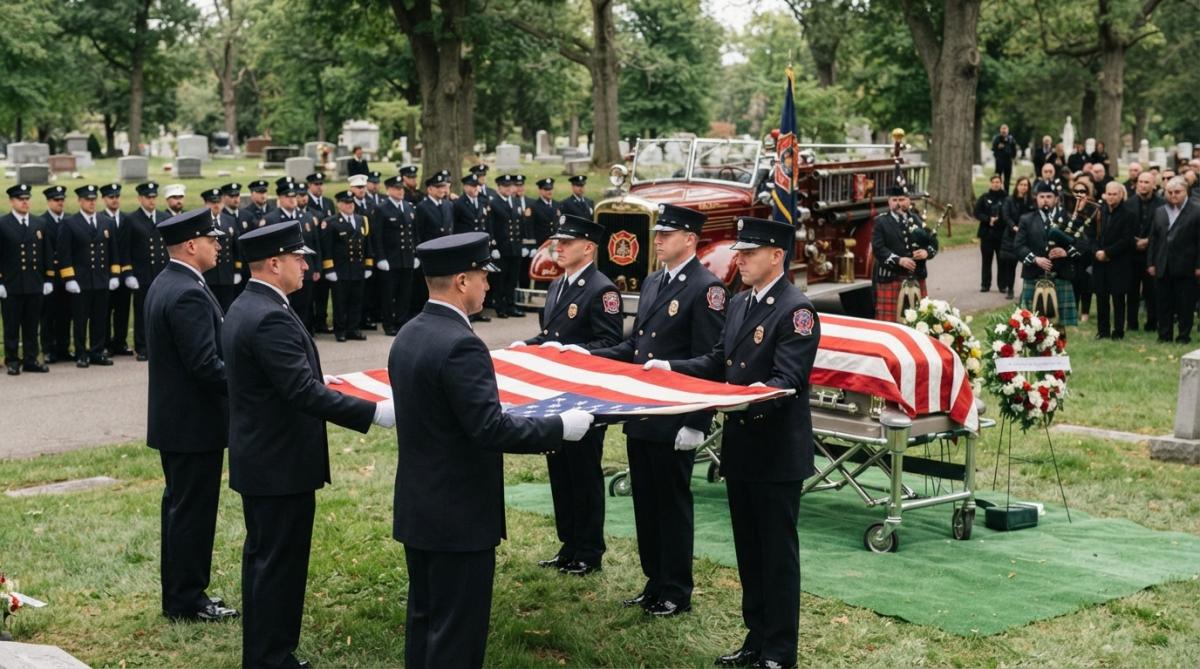
Line of duty death protocols vary by department but typically include specific procedures for notification, investigation, memorial service planning, and support for the firefighter's family. These protocols ensure that when a firefighter dies in service, the department responds with dignity and care. Support extends beyond the funeral; many departments provide ongoing counseling, financial assistance, and community connection for grieving families.
Firefighter Appreciation Ideas That Honor Service and Sacrifice
Station Gatherings and Meal Traditions
The station meal is a cornerstone of fire service culture. Crews cook together, eat together, and use mealtime as an opportunity to bond and decompress. Honoring this tradition means protecting meal time as sacred, with no interruptions, just the crew gathered around food and conversation.
Appreciation for this tradition can be expressed through station gatherings that center on food and fellowship. Annual crew dinners, holiday celebrations, or milestone gatherings create opportunities for firefighters to celebrate together outside the pressure of active duty. For retired firefighters, maintaining connection to station meal traditions keeps them linked to the brotherhood.
Meaningful Gifts That Represent Fire Service Values
Gifts that honor firefighter tradition should reflect authentic fire service values rather than novelty or humor. A challenge coin engraved with the Maltese Cross and the firefighter's name, premium apparel from a firefighter-owned brand like Black Helmet, or a personalized item featuring the station logo communicate respect and understanding of what the profession means.
When selecting gifts for appreciation, consider items that firefighters will actually use and treasure. Quality matters; firefighters can tell the difference between authentic gear designed by people who understand the job and generic merchandise. For retirement gifts especially, choose items that commemorate service and create lasting memory.
Firefighter Retirement Traditions: Honoring Career Legacy
Retirement Ceremonies and Symbolic Transitions
A firefighter's retirement marks a significant transition from daily service to life after the job. Honoring this moment means creating a formal ceremony that acknowledges the firefighter's contributions and celebrates their legacy. A retirement ceremony typically includes remarks from the fire chief, fellow firefighters, and sometimes family members, sharing stories about the retiring firefighter's character and impact on the department.
Symbolic elements enhance the ceremony's meaning. Some departments present a folded flag to the retiring firefighter, similar to military tradition. Others present a plaque or certificate recognizing years of service. The location should reflect the firefighter's significance.
Keeping the Spirit Alive After Service Ends
Retirement doesn't mean disconnection from fire service tradition. Many retired firefighters maintain active involvement through mentoring, volunteering, or participating in ceremonial roles. Some departments establish retired firefighter associations that meet regularly, maintain camaraderie, and support each other through the transition to life outside the job. These groups often participate in parades, memorial services, and community events, keeping retired firefighters visible and connected to the fire service community.
For retired firefighters, wearing fire service apparel creates a way to maintain identity and connection. A retired firefighter wearing a Black Helmet hoodie or tee is saying: I served, I'm proud of that service, and I remain part of the brotherhood.
Modernizing Traditions While Respecting Fire Service Values
DIY Memorial Projects for Stations and Families
Creating memorials doesn't require expensive contractors or elaborate installations. Station crews can design and build meaningful tributes using locally available materials and skills. A wooden plaque featuring a fallen firefighter's name and years of service, a photo display wall documenting station history, or a flagpole installation allow crews to participate directly in creating permanent reminders of legacy.
DIY memorial projects also work for families. A retired firefighter or family member might create a small shrine featuring photos, badges, challenge coins, and meaningful objects from the firefighter's career. When crews work together to build a memorial, they're reinforcing their commitment to remembrance.
Blending Historic Ceremony with Contemporary Remembrance
Honoring tradition doesn't mean rejecting modern tools and approaches. The most powerful memorial services blend historic ceremony, bell ringing, bagpipes, formal uniforms, with contemporary elements like video tributes, social media acknowledgment, or streaming the service for distant family members.
Some departments create video compilations of a firefighter's career, featuring photos, video clips, and recorded remarks from crew members. Contemporary remembrance also includes acknowledging that firefighters are diverse and that traditions should evolve to reflect the profession's changing composition.
Representing the Brotherhood: Wearing Your Tradition with Pride
The apparel you wear represents your identity and your values. When firefighters choose to wear gear that honors their service, whether on or off duty, they're making a statement about what matters to them. Authentic firefighter apparel from brands like Black Helmet is designed specifically for this purpose: to represent the brotherhood, tradition, and pride of the fire service in ways that feel genuine and respectful.
Wearing fire service apparel isn't about nostalgia or trying to relive the job. It's about maintaining connection to a profession and a community that shaped who you are. The quality of the apparel matters because it reflects respect for the profession. Premium apparel from firefighter-owned brands communicates that you take the profession seriously and want gear that represents authentic fire service values.
Conclusion: Keeping the Flame of Tradition Alive
Honoring firefighter tradition requires intentional effort in a world that often moves too fast to pause for ceremony and remembrance. The traditions covered in this guide, from Final Alarm ceremonies to station-level commemoration practices, are the mechanisms through which the fire service maintains its soul and ensures that sacrifice is never forgotten.
The most meaningful way to honor tradition is to live it: show up for your crew, participate in ceremonies, create memorials, wear your service with pride, and pass these values to the next generation. When you choose apparel and gear that authentically represents fire service heritage, you're making a daily statement about what matters to you. Black Helmet has spent nearly two decades creating premium firefighter apparel designed specifically for firefighters who understand that representation matters. Start representing your legacy today with gear that feels authentic to who you are.
Frequently Asked Questions
What are the most important firefighter traditions to honor?
The core traditions include the Final Alarm ceremony, bell ringing tributes, Honor Guard protocols, and station-level commemorations for fallen firefighters. The Maltese Cross symbolizes sacrifice and courage, while the brotherhood bond underpins all fire service traditions. Memorial Weekend observances and line of duty death ceremonies also represent essential ways to honor firefighter tradition. These practices connect firefighters to their heritage and remind communities of the service and devotion required in the fire service.
How do fire departments conduct Final Alarm ceremonies?
The Final Alarm ceremony is a solemn tribute where a fallen firefighter's name is called three times over the radio with no response, symbolizing their last call. Bagpipes often accompany the ceremony, and Honor Guard members stand at attention in dress uniforms. The ceremony typically includes a bell ringing tribute, traditionally five rings (two-five-eight) representing the firefighter's badge number. Many departments incorporate flags, processions, and inscribed plaques. This tradition honors the sacrifice and heroic efforts of those lost in the line of duty.
What is the significance of the Maltese Cross in firefighting?
The Maltese Cross is the defining symbol of firefighting, representing the eight-pointed cross used by the Crusaders in medieval times. Each point symbolizes a firefighter virtue: loyalty, honor, sacrifice, courage, dedication, service, devotion, and heroic efforts. The cross appears on shoulder patches, badges, and fire station insignia. It connects modern firefighters to centuries of tradition and reminds them of the values they uphold. Wearing or displaying the Maltese Cross is a direct way to honor fire service heritage and legacy.
How can families honor a firefighter's legacy after retirement or passing?
Families can honor legacy through retirement ceremonies, wearing meaningful gifts that represent fire service values, creating physical memorials or plaques, and participating in Memorial Weekend observances. Digital memorialization through social media or dedicated websites preserves stories and keeps fallen firefighters remembered. Family-centric traditions like passing down uniforms, badges, or challenge coins to younger generations maintain the fire service legacy. Station-level commemorations and respecting the uniform also honor those who served. These practices ensure the sacrifice and dedication of firefighters remain visible and respected in the community.
This article was written using GrandRanker
