

How to Conduct a Fire Department Wetdown Ceremony
Table of Contents
- What Is a Wetdown Ceremony and Why It Matters
- History and Symbolism Behind the Wetdown Tradition
- Understanding the Fire Truck Push-In Ceremony Connection
- Step-by-Step Planning Checklist for Your Fire Department Event
- Essential Equipment and Safety Protocols
- Community Involvement and Public Invitations
- Post-Ceremony Maintenance and Documentation
- Conclusion
Last Updated: August 5, 2026
What Is a Wetdown Ceremony and Why It Matters
A wetdown ceremony is a firefighting tradition where a new fire apparatus is christened with water from a charged hose line, honoring the vehicle's entry into active service. The ritual combines celebration, respect for firefighting heritage, and community engagement, marking the moment a piece of critical equipment becomes part of the fire department's operational fleet.
For active firefighters, retirees, and fire service families, the wetdown ceremony represents continuity, brotherhood, and professional pride. Black Helmet, a firefighter-owned brand with roots in the fire service community, understands why these traditions endure. Whether you're planning your first wetdown ceremony or your department's tenth, this guide walks you through every phase, from pre-event logistics to post-ceremony maintenance, so your celebration honors the tradition while running smoothly.
History and Symbolism Behind the Wetdown Tradition
The origins of the fire truck push-in ceremony and wetdown tradition trace back to the early 1900s, when departments transitioned from horse-drawn apparatus to motorized engines. Water, the firefighter's primary weapon against fire, became the symbolic element of blessing and dedication, adapted from maritime traditions where ships were christened with champagne.
Water symbolism in firefighting represents purification, renewal, and the core mission of the fire service. When a hose stream anoints a new apparatus, it's a physical acknowledgment that this vehicle is now consecrated to rescue, protection, and duty. The ritual grounds the equipment in purpose and connects the push-in ceremony, the formal introduction of apparatus into active service, with the celebratory wetdown that follows.
Understanding the Fire Truck Push-In Ceremony Connection
A push-in ceremony is the formal dedication of a new fire apparatus into service. The fire chief or ranking officer "pushes in" the vehicle, literally driving it into the apparatus bay for the first time as an in-service unit. This moment represents official acceptance and operational deployment.
The wetdown ceremony often follows or accompanies the push-in. Once the apparatus is in-service, firefighters and invited guests use a charged hose line to spray water over the vehicle. Both traditions affirm the same core values: respect for equipment, acknowledgment of the firefighters who will operate it, and commitment to the community being served. For departments new to these traditions, combining them into one cohesive event often works best, reducing logistics complexity while maintaining ceremonial weight.
Step-by-Step Planning Checklist for Your Fire Department Event
Planning a successful wetdown ceremony requires coordination across three distinct phases: pre-ceremony planning, day-of logistics, and execution.
Phase 1: Pre-Ceremony Planning
Start planning 6-8 weeks before your target date. Establish a planning committee with a fire chief or senior officer as event lead, representatives from operations, community relations, and logistics.
Set your date and secure the venue, typically the fire station apparatus bay or an adjacent outdoor space. Determine your guest list and send formal invitations 3-4 weeks in advance, including date, time, location, parking details, and what to expect.
Coordinate with the apparatus vendor to confirm delivery timing. Plan the ceremonial elements by deciding who will speak, what remarks will be made, and whether you'll include music, bell ringing, or other symbolic gestures. Write a brief script so speakers stay on message.
Arrange for water supply and hose equipment, confirming adequate water pressure and a charged hose line ready for the wetdown. Test the apparatus' water system beforehand. Brief your firefighters on their roles to prevent confusion on event day.
Phase 2: Day-of Setup and Logistics
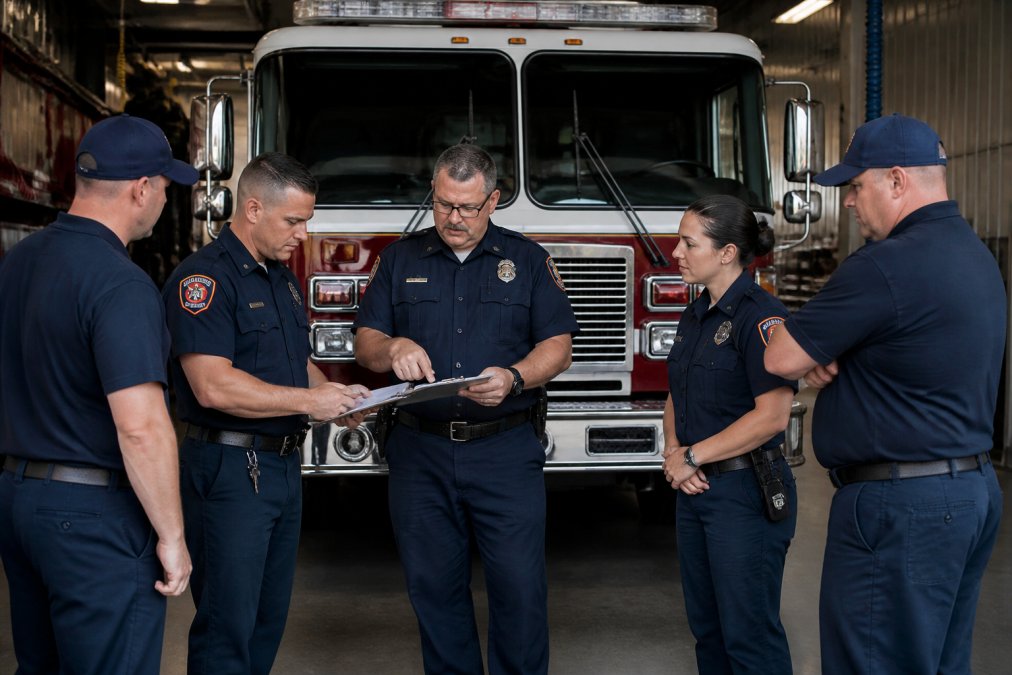
Arrive early on ceremony day, at least 2 hours before the scheduled start. Conduct final equipment checks: test the hose line, confirm water pressure, verify the apparatus starts and runs, and ensure all ceremonial elements are functional.
Set up guest areas with designated parking, a viewing area with clear sightlines to the apparatus, and seating if needed. Brief all personnel one final time on their assignments. Position the apparatus prominently and ensure it's clean. Test audio equipment thoroughly to prevent failures during remarks.
Phase 3: Conducting the Ceremony
Keep the ceremony itself concise, 30-45 minutes total. The fire chief opens with remarks welcoming guests and explaining the apparatus's significance. Invite remarks from key guests for 2-3 minutes each.
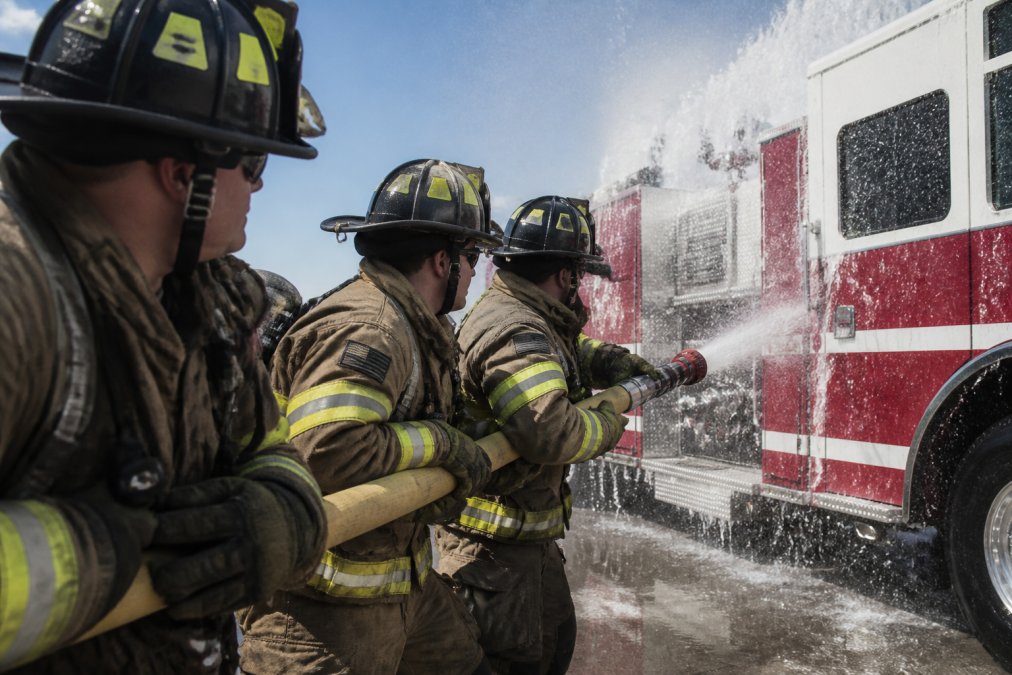
If conducting both traditions, the fire chief drives the apparatus into the bay at this point. For the wetdown, two or three firefighters hold the charged hose line while the fire chief or senior officer directs the water spray over the apparatus for 30-60 seconds. Many departments conclude with a ceremonial bell ring or air horn blast.
After the formal ceremony, allow guests to approach the apparatus, take photos, and chat with firefighters. Provide refreshments if possible to encourage mingling and strengthen community bonds.
Essential Equipment and Safety Protocols
Conducting a safe, professional wetdown ceremony requires attention to equipment readiness and hazard management.
Water supply and hose requirements. Confirm your station's water supply can support a charged hose line without compromising fire suppression capacity. Use approved fire department hose rated for the pressure you'll be operating. Test water pressure beforehand, aiming for 75-100 psi at the nozzle for a visible, impressive stream without excessive force.
Hose operator positioning and technique. Assign experienced firefighters to hold the hose line with a firm stance, feet shoulder-width apart, bracing for the force of pressurized water. A second firefighter should assist for stability and safety. Never aim the stream directly at people or into apparatus windows; angle the spray to flow down the sides and hood.
Apparatus positioning and clearance. Position the vehicle at least 15 feet from the nearest structure to prevent water damage. Ensure adequate clearance around the apparatus so the hose operator can move safely.
Weather and environmental considerations. Check the forecast before ceremony day. Heavy rain, extreme heat, or wind can compromise the event. Have a rain date ready or move the event indoors if needed.
Electrical and fire hazard management. Ensure all electrical connections are grounded and protected from water spray. Keep the apparatus engine off during the wetdown to prevent water from entering engine compartments. Position any open flames away from the water spray zone.
Liability and insurance considerations. Confirm your department's liability insurance covers the ceremony. If inviting the public, consider requiring a liability waiver. Brief all participants on safety expectations and document the event with photos.
Personal protective equipment. Firefighters operating the hose line should wear appropriate PPE, at minimum turnout gear and gloves. Guests should be positioned away from equipment operation zones.
Community Involvement and Public Invitations
A wetdown ceremony becomes more meaningful when the community witnesses it. Public involvement strengthens the fire service's connection to the people it serves.
Decide whether the ceremony is internal (firefighters and close partners only) or public (open to community members). If going public, craft an invitation that explains what a wetdown ceremony is and why it matters. Distribute invitations through local government channels, social media, and community bulletin boards.
Invite neighboring fire departments and city officials. Their attendance honors the fire service brotherhood and lends civic weight to the ceremony. Contact local news outlets 2-3 weeks in advance; a brief announcement often results in positive media coverage.
Ensure parking, restrooms, and viewing areas are accessible to people with mobility limitations. Consider a post-ceremony reception with coffee, snacks, or light refreshments in the station, allowing community members to meet firefighters and strengthen relationships.
Post-Ceremony Maintenance and Documentation
The ceremony marks the beginning of the apparatus's service life. Proper maintenance and documentation ensure the vehicle serves reliably for years.
After guests leave, conduct a thorough inspection for water intrusion in the engine bay, electrical connections, and sealed compartments. Dry any wet areas with compressed air or towels. Start the engine and let it run for 10-15 minutes to ensure normal operation.
Create a maintenance log entry noting the wetdown ceremony, water exposure areas, and any corrective actions taken. Before placing the apparatus into active emergency response duty, test all systems: engine, transmission, lights, sirens, pump, aerial device (if applicable), and communication systems.
Take photos of the ceremony from multiple angles for historical records and future departmental communications. Many departments keep a log of all apparatus commissioned, including photos, ceremony details, and the names of firefighters who staffed the vehicle when it entered service.
Follow the manufacturer's recommended service intervals for oil changes, filter replacements, fluid checks, and inspections. Proper maintenance extends apparatus life and ensures reliability when lives depend on it.
Conducting a fire department wetdown ceremony honors tradition while celebrating the equipment and firefighters who serve your community. The ritual connects past, present, and future, acknowledging the legacy of those who came before while welcoming new apparatus into active service.
Whether your department is planning its first wetdown ceremony or has been running them for decades, the fundamentals remain the same: respect for equipment, recognition of the firefighters who depend on it, and gratitude for the community's support. When you execute the ceremony with care and intention, you're reinforcing the values that define the fire service: duty, brotherhood, and commitment to saving lives.
At Black Helmet, we've worked with firefighters across the country who understand that pride in the profession starts with respecting the traditions that define it. Whether it's wearing apparel that honors your service or participating in ceremonies that celebrate your department's heritage, these moments matter. When you're ready to represent that pride off-duty, Black Helmet offers firefighter apparel and accessories designed by people who know the job, not corporate marketers trying to cash in on the fire service. Learn more about fire service traditions and apparatus commissioning best practices to ensure your ceremony meets professional standards and honors the heritage of your department.
Frequently Asked Questions
What is the difference between a wetdown ceremony and a push-in ceremony?
A wetdown ceremony is a ritual blessing where firefighters spray a new fire apparatus with water from the hose line, symbolizing the apparatus's readiness for service and its connection to water as the primary firefighting tool. A push-in ceremony, also called an in-service ceremony, marks the official commissioning of the apparatus into active duty and typically includes the wetdown as a key component. The push-in ceremony is broader, it often includes speeches, community celebration, and formal commissioning, while the wetdown is the specific water-anointing ritual that can stand alone or be part of a larger push-in event.
What equipment do you need to perform a proper wetdown ceremony?
You'll need the new fire apparatus itself, a charged hose line (typically 1.5-inch or 2.5-inch), a properly functioning nozzle, water supply from a hydrant or tanker, a fire chief or ceremony leader, and supporting firefighters to handle the hose stream. Optional equipment includes a public address system for announcements, a bell or air horn for signaling, a flagpole or banner for the apparatus bay, and a camera or video equipment to document the event. Ensure all personnel wear proper protective equipment and that the apparatus is positioned safely in the apparatus bay or a designated outdoor area with adequate drainage.
Are there specific safety protocols for fire department wetdown ceremonies?
Yes. Establish a clear perimeter to keep spectators at a safe distance from the hose stream and apparatus. Brief all personnel on their roles beforehand to prevent confusion during the ceremony. Ensure the apparatus is parked on level ground with the engine running or ready to operate. Use a controlled hose stream, avoid directing water at electrical systems, windows, or sensitive equipment. Have personnel wear slip-resistant footwear on wet surfaces and assign spotters to watch for tripping hazards. Confirm water pressure is appropriate for the nozzle and apparatus design. Post a safety briefing before the ceremony begins, and have a supervisor monitor the event to address any unexpected issues immediately.
How do you invite the community to a fire department wetdown ceremony?
Contact local media outlets at least 2-3 weeks in advance with a press release announcing the date, time, location, and significance of the event. Post announcements on your fire department's social media pages, website, and community bulletin boards. Send formal invitations to neighboring fire departments, municipal officials, city council members, and community leaders. Invite family members of firefighters, local schools, and civic organizations. On the day of the event, provide clear parking directions and a designated spectator area with good visibility. Have personnel available to answer questions and explain the tradition to visitors who may be unfamiliar with the ceremony.
This article was written using GrandRanker
