

Firefighter-Owned Apparel Brand Benefits
Table of Contents
- Why Firefighter-Owned Apparel Brands Matter
- Durability and Material Quality Built for the Job
- Best Firefighter Apparel Brands: What Sets Authentic Makers Apart
- Firefighter Shirts for Off-Duty Wear: Station Pride Beyond the Firehouse
- Firefighter Brotherhood Apparel and Professional Identity
- Supporting the Fire Service Community Through Intentional Purchases
- Real Materials, Real Craftsmanship: What Authenticity Looks Like
- Conclusion
Last Updated: August 26, 2026
Why Firefighter-Owned Apparel Brands Matter
When you wear gear made by someone who's actually done the job, something shifts. A firefighter-owned apparel brand isn't just another merchandise company trying to capitalize on first responder culture. It's built by people who understand what station wear means, who know the weight of professional identity, and who respect the brotherhood enough to get the details right.
Black Helmet has served over 100,000 firefighters since 2008 because the brand was founded on a simple principle: authenticity matters (nfpa.org). The founders weren't entrepreneurs looking for a market segment. They were firefighters who wanted better gear, so they made it themselves. That distinction runs through everything, from the materials they source to the designs they choose to the way they talk about the fire service.
The real difference between a firefighter-owned apparel brand and a corporate knockoff comes down to integrity. When you buy from a brand built by people in the profession, you're not just getting a shirt or a hoodie. You're supporting someone who understands the job, respects the sacrifice, and designs products for people who live it every day.
Durability and Material Quality Built for the Job
Real durability starts with material choices that respect how firefighters actually live. Station wear takes abuse, sitting in crews, moving through stations, surviving washings and sweat. A shirt that falls apart after five washes isn't gear, it's a waste of money.
Firefighter-owned brands approach fabric selection differently than generic apparel manufacturers. They know that moisture-wicking performance matters for crews working in station environments and that heavy-duty construction is the difference between gear that lasts. The stitching, hems, and reinforced seams come from experience, not cost-cutting spreadsheets.
Black Helmet's approach reflects this commitment. The brand uses decommissioned bunker gear for accessories like wallets and koozies, transforming authentic fire service equipment into functional everyday items. The Badge Trifold Used Bunker Gear Wallet runs $76.00 and carries the weight of actual service, literally and figuratively.

Understanding NFPA Standards for Station Wear
The National Fire Protection Association (NFPA) sets standards for protective clothing and equipment. While station wear differs from turnout gear, authentic firefighter-owned brands often design their station wear with NFPA 1975 standards in mind, which covers station/work uniforms and establishes performance criteria for fabric durability, colorfastness, and shrinkage (nfpa.org).
When evaluating station wear, look for:
- Fabric weight and composition: Quality station wear typically uses 6-7 ounce cotton blends or heavier (aatcc.org). Blends with polyester maintain shape through repeated washing.
- Colorfastness: Professional-grade apparel uses dyes that withstand heat and detergent of industrial washing.
- Shrinkage control: Station wear should shrink less than 3% in length and width after washing.
- Seam strength: Reinforced seams at stress points prevent tearing and extend garment life significantly.
Firefighter-owned brands test their shirts and hoodies in real conditions. They know which fabrics breathe properly during physical activity and understand layering systems. This knowledge comes from wearing the stuff yourself.
Care and Maintenance: Extending the Life of Your Gear
Durability depends on how you care for gear. Professional station wear requires proper maintenance to preserve fabric integrity over years of use.
Washing and Drying:
- Wash in warm water (not hot) with mild detergent.
- Avoid bleach on colored gear; use oxygen-based cleaners for stains.
- Dry on medium heat or air dry when possible.
- Remove from the dryer promptly to prevent wrinkles.
Storage:
- Store in a cool, dry place away from direct sunlight.
- Use hangers for hoodies and jackets; fold heavier items to avoid stretching.
- Avoid plastic storage bags, which trap moisture.
Stain Treatment:
- Address stains immediately.
- Pre-treat with a stain remover designed for the fabric type.
- Avoid high-heat drying of stained items until fully removed.
Authentic firefighter-owned brands provide detailed care instructions because they understand that proper maintenance is part of the durability equation.
:::pro tip Check the weight of the fabric (usually listed in ounces). Heavier 6-7 ounce cotton blends tend to hold up longer than lightweight alternatives for station wear. Always follow the care label instructions. :::
Best Firefighter Apparel Brands: What Sets Authentic Makers Apart
The market for firefighter apparel has grown crowded. Some brands started in firehouses. Others started in marketing departments and added "firefighter" to their positioning. The difference shows up in design choices, material sourcing, and how brands talk about the fire service.
Authentic firefighter-owned brands lead with credibility. Their designs reference real station culture: the brotherhood, the legacy, the specific humor and values that bind crews together. They understand the difference between station wear and lifestyle gear. Black Helmet stands out because the brand started with firefighters and stays connected to them. The designs honor the brotherhood without veering into novelty territory.
How to Evaluate Firefighter Apparel Brands: A Practical Framework
When evaluating firefighter apparel brands, look for these markers of authenticity:
Founder and Leadership Background:
- Active or retired firefighters in founding or leadership roles. Verify through company history or direct communication.
- Recently retired firefighters often maintain stronger connections to current station culture.
Design Philosophy and Station Culture:
- Designs should reference specific elements of station life rather than generic "hero" imagery.
- Look for designs evolved from actual firefighter feedback, not marketing departments.
- Authentic station culture humor is specific and insider-focused, not shock-value driven.
Material Sourcing and Transparency:
- Brands should clearly state where fabrics are sourced and manufactured.
- Look for brands that explain why they chose specific fabrics for specific products.
- Sustainability matters increasingly to younger firefighters.
Community Engagement Beyond Sales:
- Do they donate to firefighter causes, support families of fallen firefighters, or sponsor station events?
- Are these contributions ongoing and substantial?
Pricing and Value Alignment:
- Authentic brands price fairly but not always cheaply. A $45 wallet made from decommissioned bunker gear reflects material cost and craftsmanship.
- Be cautious of brands with extremely low prices claiming to be "firefighter-owned."
- Premium pricing alone doesn't guarantee authenticity.
Product Range and Focus:
- Authentic firefighter-owned brands typically specialize in station wear, lifestyle apparel, and accessories.
- Brands that stay focused on their core competency maintain higher quality standards.
Communication Style:
- How does the brand talk about the fire service? Does it use insider language naturally?
- Are they honest about limitations, product updates, or mistakes?
- Do they engage with customer feedback from active firefighters?
Authentic firefighter gear respects the job and the people who do it.
Firefighter Shirts for Off-Duty Wear: Station Pride Beyond the Firehouse
Off-duty apparel serves a different purpose than station gear. When you're not in uniform, your clothing choices become a form of identity expression. A firefighter wearing Black Helmet gear off-duty isn't trying to look like they're still working. They're representing their professional identity and their connection to the brotherhood in everyday life. shopping at independent boutiques.
The best off-duty gear walks the line between honoring service and feeling natural in civilian contexts. Firefighter-owned brands understand this distinction better than corporate apparel manufacturers. They design off-duty wear for people who lived the job, not for people who want to look like they did. The aesthetic emphasizes identity and pride rather than replicating uniform elements.
Firefighter Brotherhood Apparel and Professional Identity
The brotherhood is real. It's the bond that forms when people train together, work dangerous shifts together, and trust each other with their lives. That connection shapes how firefighters see themselves and how they want to represent themselves in the world.
Brotherhood apparel reinforces this bond. When a crew wears matching gear from an authentic firefighter brand, they're making a statement about their unit, their values, and their commitment to each other. The apparel becomes a visual representation of esprit de corps and professional identity.
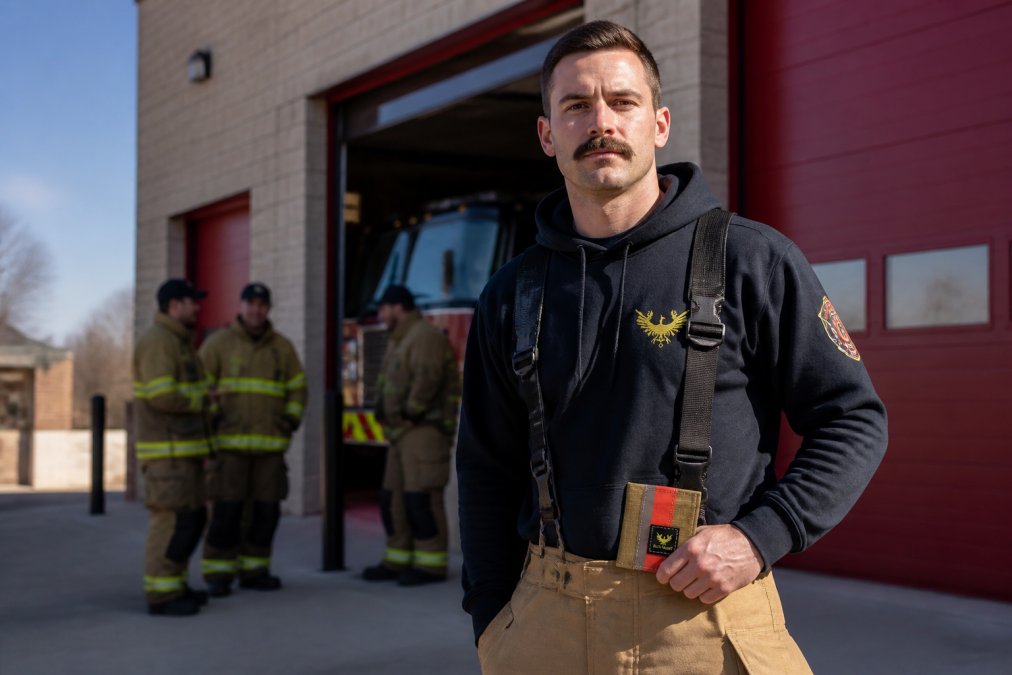
Authentic firefighter-owned brands design apparel that speaks to the specific culture of the fire service, the tradition, the duty, the accountability, and the legacy that defines the profession. The designs reference real elements of station life without reducing the job to clichés. This is gear designed for people who actually live the brotherhood.
Supporting the Fire Service Community Through Intentional Purchases
Every purchase from a firefighter-owned brand is a choice to support the profession directly. When you buy from Black Helmet or other authentic firefighter companies, the money goes to people who are part of the community, not to corporate shareholders with no connection to the fire service.
Firefighter-owned brands often reinvest in the community through charitable contributions, station donations, and support for firefighter families. They sponsor events, support firefighter causes, and use their platform to advocate for the profession. That's central to who they are.
Supporting the fire service community through intentional purchases means choosing brands that understand the profession and contribute to it. It means prioritizing authenticity over convenience and recognizing that your purchasing choices have real consequences for the people and profession you care about.
Real Materials, Real Craftsmanship: What Authenticity Looks Like
Authenticity in firefighter apparel means using real materials and respecting the craftsmanship required to make quality gear. It means sourcing materials thoughtfully and building products that last.
Black Helmet's approach demonstrates this commitment. The brand was the first to create wallets from decommissioned bunker gear. Their wallets, including the Badge Bifold at $52.00, the Trifold ID at $59.00, and the Flip ID at $87.00, are each unique because they're made from actual gear that's been worn in firehouses. The material carries real history.
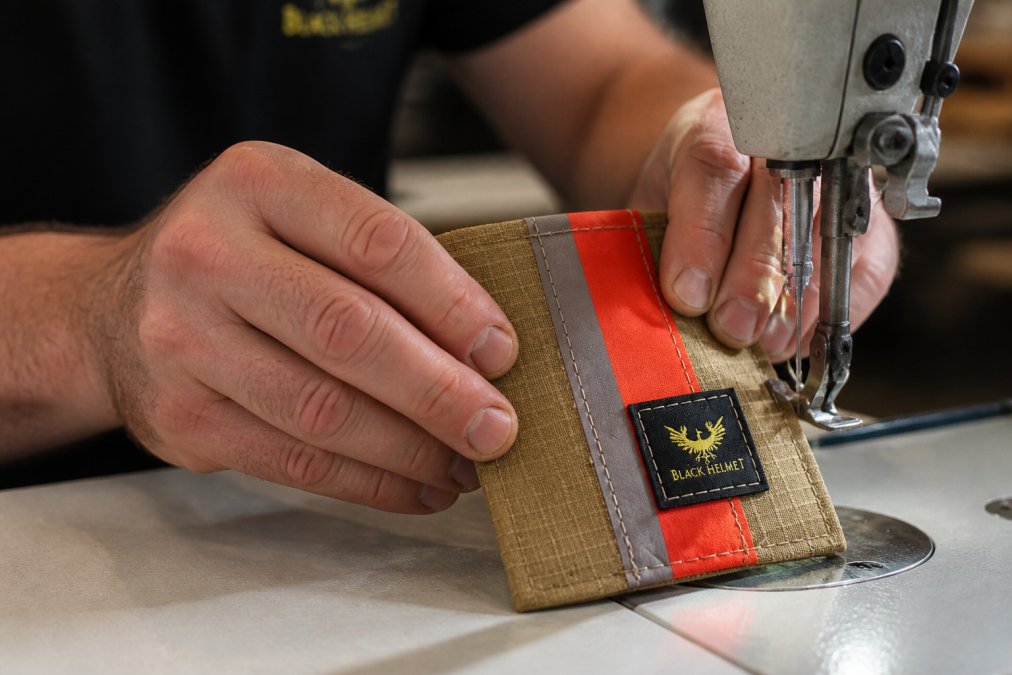
This approach extends beyond wallets. When a brand commits to real materials and real manufacturing, it shows in every product. The stitching is stronger. The finishes are cleaner. The gear lasts longer because it's built by people who care about the work, not just the profit margin.
Authenticity also means transparency. Real firefighter-owned brands are honest about their sourcing, manufacturing, and limitations. They acknowledge when they're experimenting or learning. The Used Bunker Gear Money Clip ($45.00) and Koozie ($14.00) represent this philosophy, functional gear made from authentic materials at accessible prices.

Conclusion
Choosing a firefighter-owned apparel brand is a statement about what you value. You're choosing authenticity over convenience, community over corporate profit, and integrity over marketing. Brands like Black Helmet have earned their reputation by understanding the fire service from the inside, respecting the brotherhood, and building gear that reflects those values.
The difference shows up in material quality, design choices, and how these brands engage with the community. When you buy from a firefighter-owned brand, you're supporting people who are part of the profession and who design gear for people who actually live it.
Frequently Asked Questions
Q: What makes firefighter-owned apparel different from mass-market brands?
A: Firefighter-owned apparel brands are built by people who understand the fire service firsthand. They prioritize durability, authentic design, and community values over mass production. Brands like Black Helmet use real decommissioned bunker gear in products like wallets and koozies, creating one-of-a-kind items with genuine operational credibility. Mass-market brands often chase trends without understanding the professional identity and station culture that matter to firefighters.
Q: Why is it important to support firefighter-owned businesses?
A: Supporting firefighter-owned businesses strengthens the fire service community and ensures that profits stay within the brotherhood. These companies often give back to firefighter families, support first responder causes, and maintain quality standards rooted in real operational experience. When you buy from a firefighter-owned brand, you're investing in authenticity, accountability, and direct support for people who've served or are serving.
Q: How do I know if firefighter apparel is actually made with quality materials?
A: Look for brands that source real, decommissioned fire service gear and manufacture in the USA. Black Helmet wallets, for example, are handcrafted from actual bunker gear that's been worn in the field, then decontaminated, not brand-new material made to look vintage. Ask about construction methods, material sourcing, and guarantees. Authentic brands are transparent about where products come from and stand behind durability claims.
Q: Can firefighter-owned apparel work as meaningful gifts for retired firefighters?
A: Yes, when chosen thoughtfully. Retired firefighters value gear that honors their service authentically, not novelty items. Products made from decommissioned bunker gear, station-themed apparel with genuine design, and accessories that reflect fire service culture resonate deeply. The key is selecting pieces that celebrate legacy and brotherhood rather than treating the profession as a costume. Black Helmet's used bunker gear wallets, for instance, carry the actual history of the job.
Black Helmet has built its reputation on authenticity and community commitment. The brand's wallets, accessories, and apparel reflect genuine understanding of the fire service and real craftsmanship in every product. Whether you're looking for station wear, off-duty apparel, or functional accessories, Black Helmet delivers gear that honors the brotherhood and lasts through years of service. Shop the collection and represent the legacy and tradition of those who serve.
This article was written using GrandRanker
