

Fire Department Bell Ceremony Meaning: A Complete Guide
Table of Contents
- What Does the Fire Department Bell Ceremony Mean?
- History of Fire Bells: From Telegraph to Tradition
- Understanding the 5-5-5 Signal and Alarm Sequences
- Last Alarm Ceremony Script and Line of Duty Death Protocols
- Firefighter Funeral Traditions: Bell Tolling and Memorial Service
- Firefighter Honor Guard Protocols and Commemoration
- Symbolism of the Bell in Fire Service Culture
- Modern Digital Bell Technology and Contemporary Practice
Fire Department Bell Ceremony Meaning: A Complete Guide
Last Updated: August 1, 2026
When a firefighter dies in the line of duty, firehouses across the nation fall silent for a solemn ritual that has endured for over a century. The fire department bell ceremony meaning runs deep through the brotherhood, it's not merely a procedural farewell, but a sacred acknowledgment of sacrifice, duty, and the cost of service. At Black Helmet, we honor this tradition by creating apparel and gear that reflects the values firefighters live by. Below, we'll walk you through exactly what this ceremony represents, how it evolved from practical communication to ceremonial tribute, and why it remains one of the most powerful rituals in the fire service.
What Does the Fire Department Bell Ceremony Mean?
The core purpose of the fire department bell ceremony meaning is to honor those who made the ultimate sacrifice while on duty. When a firefighter dies in the line of duty, the ceremonial ringing of the fire bell serves as a final alarm, not to summon help, but to announce to the entire fire service community that one of their own has fallen. The bell tolling represents the end of a watch, the conclusion of a duty shift that will never resume.
For active firefighters listening, every strike of the bell is a physical manifestation of loss, a sound that echoes through firehouses and into the hearts of those who knew the fallen firefighter. The ceremony acknowledges not just death, but a specific kind of death, one that came while answering the call to protect others.

The symbolism extends beyond the bell itself. The entire ceremony, from the watch desk procedures to the honor guard protocols, communicates respect, accountability, and the brotherhood's commitment to never forgetting those who serve.
History of Fire Bells: From Telegraph to Tradition
Understanding the fire department bell ceremony meaning requires knowing where it came from. Before radio dispatch, the fire bell was the primary tool for emergency communication. In the 1800s, when a fire was reported, the bell would ring out, alerting firefighters across the entire neighborhood that danger was present and help was needed.
The telegraph system revolutionized how fire departments communicated. A dispatcher would receive a fire report and transmit it using coded bell strikes. Each sequence of rings represented a specific location or type of emergency. Firefighters learned to decode these patterns instantly, creating a shared language that bonded the brotherhood together.
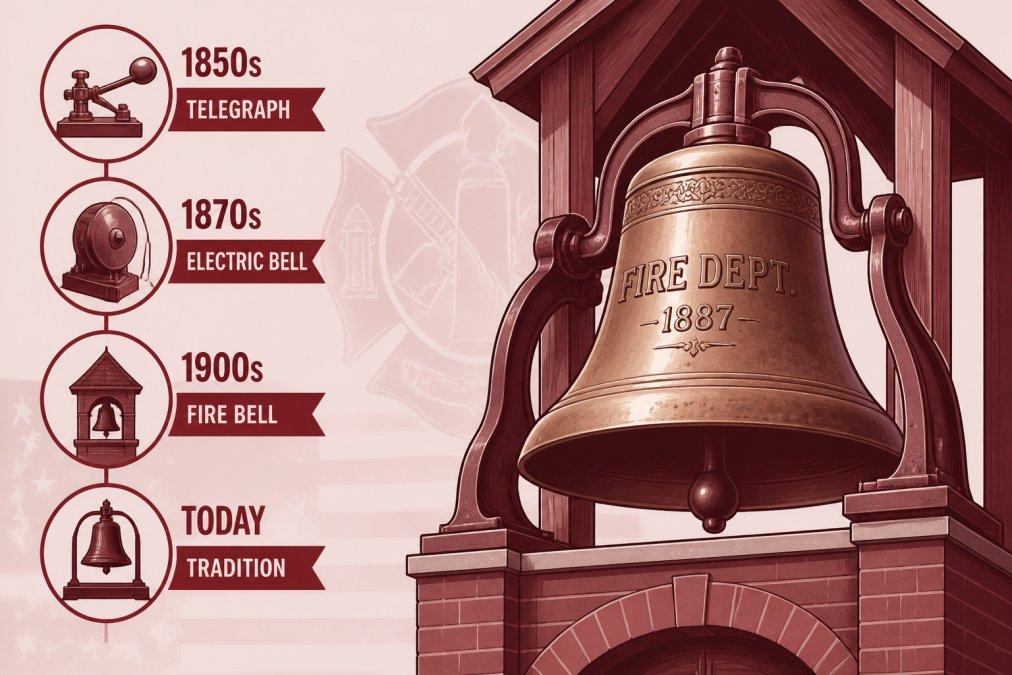
As radio dispatch systems emerged in the mid-20th century, the practical need for bell signals diminished. Yet firehouses kept the bells because the bell had become more than a tool, it had become a symbol. The transition from station alert to ceremonial toll happened gradually, but by the time modern dispatch systems dominated, the bell had already transformed into something sacred.
Understanding the 5-5-5 Signal and Alarm Sequences
The five-five-five signal is perhaps the most recognized alarm sequence in the fire service. This pattern, five strikes, a pause, five strikes, another pause, five strikes, represented a general alarm meaning "all units respond" in the telegraph era. The rhythm was unmistakable and urgent.
Other ringing patterns carried different meanings. Four-four meant a different location. Two-three-five signaled another area. Firefighters memorized these codes the way soldiers memorize rank insignia. A single bell, rung in specific sequences, could communicate complex information across an entire city, saving lives and creating a shared language that bonded firefighters together.
Today, the five-five-five pattern carries ceremonial weight beyond its original meaning. When rung at a funeral or memorial service, it acknowledges the gravity of the moment. The pattern is familiar to every firefighter who has ever served.
Last Alarm Ceremony Script and Line of Duty Death Protocols
When a firefighter dies in the line of duty, the final alarm ceremony follows a structured protocol refined over generations. A dispatcher will ring the bell according to the department's specific sequence, some departments ring the five-five-five pattern, others use the firefighter's station number followed by five-five-five, and some ring the bell thirteen times, representing the end of a duty shift that will never resume.
The ceremony typically begins with the department's chief or commanding officer making a formal announcement that includes the firefighter's name, rank, station assignment, and the circumstances of their death. Following the announcement, the bell tolling begins, slow, deliberate, and echoing through the firehouse. The rhythm continues while firefighters stand at attention or remove their helmets in respect.
The line of duty death protocol extends beyond the bell ceremony itself. Honor guard members stand watch, and some departments have the honor guard carry the fallen firefighter's gear, helmet, and badge in procession. These items become sacred objects in the moment, representing the life and service that has ended.
Common elements of the final alarm ceremony script include:
- Official announcement of the firefighter's death
- Ringing of the ceremonial bell (pattern varies by department)
- Moment of silence or prayer
- Reading of the firefighter's service record
- Presentation of honors or commendations
- Dismissal of the watch desk (symbolic closing of the shift)
Firefighter Funeral Traditions: Bell Tolling and Memorial Service
The mournful toll of the brass bell at a firefighter's funeral carries a weight that transcends the sound itself. When a firefighter who died in the line of duty is laid to rest, the bell tolling announces to the entire community that a hero has fallen. The bell typically begins tolling as the funeral procession arrives and continues throughout the service, creating a backdrop of solemn sound that fills the space.
The repetitive striking creates a meditative quality, not frantic or urgent, but measured and respectful. Memorial services often include tributes from commanding officers, fellow firefighters, and family members. The bell tolling provides a constant reminder of why the service matters.
Some departments have specific traditions around the bell during funeral services. A firefighter's helmet may be placed on the casket or displayed prominently. The bell may be rung a final time as the casket is lowered. The final alarm ceremony procedures ensure that the firefighter's death is marked with the same professionalism and respect they gave to their work.
Firefighter Honor Guard Protocols and Commemoration
The honor guard at a line of duty death ceremony represents the highest level of respect the fire service can show. Members are selected firefighters who have demonstrated exceptional professionalism, discipline, and bearing. They wear dress uniforms, stand at rigid attention, and maintain formal composure throughout the ceremony.
Honor guard members typically stand in formation near the fallen firefighter's casket or memorial. Their presence signals to the family and community that this death is not being treated as routine or ordinary. Specific roles within the honor guard may include pallbearers, members who present the firefighter's helmet or badge, and those who stand watch. In some departments, the honor guard presents a folded American flag to the family, a tradition borrowed from military funerals.
Regional variations in bell signals and procedures are significant. Some departments ring the bell continuously for a set duration. Others ring it in specific patterns. Some departments use electronic bells or recorded bell sounds, particularly in areas where traditional brass bells are no longer maintained.
Despite these regional differences, the core purpose remains universal: to mark the death of a firefighter who gave their life in service and to honor their memory with the solemnity and respect the sacrifice deserves.
Symbolism of the Bell in Fire Service Culture
The bell occupies a unique place in fire service symbolism. It represents duty, accountability, and the brotherhood that binds firefighters together. For active firefighters, the sound of the bell triggers an immediate response, it's hardwired into their training and their identity.
The brass bell itself has become iconic. Many firehouses maintain their original bells, sometimes dating back over a century. These bells are treated as sacred objects, polished regularly, displayed prominently, and protected carefully. The bell as a symbol of duty reflects the core values of the fire service: when you answer the bell's call, you're answering something larger than yourself.
Honoring fallen comrades through the bell ceremony acknowledges that the fire service is a brotherhood bound by shared sacrifice. When one firefighter falls, the entire brotherhood feels the loss. The bell tolling makes that loss visible and audible. It says: "This person mattered. Their death matters. We will not forget."
Modern Digital Bell Technology and Contemporary Practice
Contemporary fire departments face a challenge: how to maintain the tradition of the fire bell ceremony when many firehouses no longer maintain functioning brass bells. Some departments have preserved their original bells and keep them operational. Others have invested in electronic bell systems that can reproduce the sound of a traditional bell with surprising authenticity. Some departments use recorded bell sounds played through the station's public address system.
Digital dispatch systems have fundamentally changed how fire departments operate. Radio communication replaced telegraph bell signals decades ago. The practical need for the bell has disappeared entirely, yet the ceremonial importance has only grown. Many departments recognize this paradox and have invested in solutions to keep tradition alive.
The challenge of keeping tradition alive in modern firehouses is real. Younger firefighters may have never heard a brass bell ring in their station. This generational shift has prompted some departments to invest in education about the bell's history and meaning. Some firehouses now include bell ringing demonstrations during recruit training, ensuring that new firefighters understand what they're hearing when the bell tolls.
Black Helmet recognizes the importance of honoring fire service traditions while embracing modern life. Our apparel and accessories are designed for firefighters who value both the heritage of the job and the practicality of contemporary service. Whether you're a recruit learning the traditions or a veteran carrying them forward, the gear you wear should reflect your commitment to the brotherhood and the values that the fire department bell ceremony meaning represents.
The fire department bell ceremony meaning endures because it speaks to something fundamental in the fire service: the recognition that some work demands sacrifice, and that sacrifice demands remembrance. When you wear gear from Black Helmet, you're wearing a commitment to those values. Our premium firefighter apparel, from hoodies to challenge coins, is designed for firefighters who understand that tradition matters and that legacy is worth honoring. Explore our collection and find gear that represents who you are and what you serve.
Frequently Asked Questions
What does the 5-5-5 signal mean in a fire department bell ceremony?
The 5-5-5 signal is a solemn alarm sequence consisting of five bell strikes, a pause, five more strikes, another pause, and a final five strikes. This distinctive ringing pattern announces a line of duty death within the fire service. The five-five-five toll has become a universal symbol of the supreme sacrifice made by firefighters, signaling to the entire firehouse and community that a fallen comrade is being honored. The pattern is immediately recognizable to firefighters and represents the mournful toll that summons the station to acknowledge this profound loss.
What is the history of fire bells and their role in emergency communications?
Fire bells originated as the primary alerting system in the telegraph era, before radio dispatch and modern emergency communications existed. Firehouse bells served multiple purposes: summoning firefighters to duty, alerting the community to fire emergencies, and communicating critical information through coded bell strikes. Different ringing patterns conveyed different messages, the location of a fire, the type of emergency, and eventually, the line of duty death of a firefighter. The brass bell tower became the symbol of the firehouse itself. Though radio dispatch and digital systems have replaced bells for emergency alerting, the ceremonial toll remains a deeply respected fire service tradition honoring the legacy of those who serve.
How does a last alarm ceremony script work, and what are the line of duty death protocols?
A last alarm ceremony follows a formal script performed at the watch desk when a firefighter dies in the line of duty. The ceremony typically includes announcing the fallen firefighter's name and station, followed by the final alarm, the solemn tolling of the brass bell in the distinctive 5-5-5 pattern. The watch desk operator or commanding officer may read a tribute acknowledging the firefighter's sacrifice and service. Honor guard protocols vary by region and department but often include standing at attention, removing helmets, and observing a moment of silence. The final alarm ceremony serves as an official recognition of the supreme sacrifice and signals to the entire fire service that a comrade has fallen in service to their community.
What etiquette should I follow when attending a fire department bell ceremony or firefighter funeral?
When attending a fire department bell ceremony or firefighter funeral, show respect by dressing formally, arriving on time, and standing at attention during the bell tolling and moment of silence. Remove your hat or helmet during the final alarm and remain silent throughout the ceremony. If you are part of an honor guard or uniformed contingent, follow your department's specific protocols. Never speak during the solemn portions of the service. If you are a family member or civilian attendee, stand respectfully to the side and observe the firefighters' traditions without interrupting. The ceremony is a sacred tribute to the fallen firefighter and their family, your presence and quiet respect honor their legacy and the brotherhood of the fire service.
This article was written using GrandRanker
