

What Is a Female Fireman Called? Terminology Explained
Table of Contents
- What Female Firefighters Are Called Today
- History of Women in the Fire Service
- Gender-Neutral Fire Service Terminology and Its Impact
- Challenges for Female Firefighters in a Changing Culture
- International Terminology Variations
- Why Inclusive Language Matters in Emergency Services
- Conclusion
Last Updated: August 25, 2026
What Female Firefighters Are Called Today
A female firefighter is called a firefighter, the same professional title used for all members of the fire service, regardless of gender. The term firewoman is sometimes used informally, but it's increasingly considered outdated as the fire service has moved toward gender-neutral language reflecting the profession's inclusive evolution.
This terminology shift represents more than linguistic change. It reflects recognition that the job, saving lives, fighting fires, responding to emergencies, belongs to any qualified person meeting the physical, mental, and professional standards required. Language shapes how we perceive roles and who belongs in them. For decades, the fire service used exclusively male-centered language that signaled women were outsiders. Today's gender-neutral terminology removes that barrier and acknowledges women's integral role in emergency services.
Professional Terminology in Modern Fire Departments
Modern fire departments use "firefighter" as the official occupational title across all personnel classifications, structural, wildland, volunteer, and career firefighters alike. The National Fire Protection Association (NFPA) and most state fire academies have adopted "firefighter" as the standard professional designation.
Specific roles remain gender-neutral: a female fire captain is a fire captain; a female battalion chief is a battalion chief. Professional certifications like Firefighter I and Firefighter II make no gender distinction. A woman earning Firefighter I certification holds the exact same credential as a man with the same certification.
Why 'Firefighter' Became the Standard
The transition from "fireman" to "firefighter" reflected a broader cultural shift as women joined fire departments in meaningful numbers during the 1970s and 1980s. Using "firefighter" is more accurate, the job is fundamentally about fighting fires and responding to emergencies; gender is irrelevant to the work itself.
Fire departments discovered that gender-neutral terminology improved recruitment and retention. When job postings, training materials, and communications used inclusive language, more qualified candidates from all backgrounds saw themselves as potential members. The fire service benefits when the broadest possible pool of capable, dedicated people can envision themselves in these roles.
History of Women in the Fire Service
Women have served in firefighting roles longer than many realize, though their contributions were often overlooked.
Early Pioneers and First Known Female Firefighters
Molly Williams, a Black woman, was the first documented female firefighter in the United States, serving with the New York Fire Department in 1818. She participated in firefighting operations during the Great New York Fire, though official records often obscured her role.
For nearly two centuries after Molly Williams, women's participation remained minimal and largely unrecognized. The fire service maintained strict gender barriers. Firefighter Judith Brueske of Santa Fe, New Mexico, became one of the first women hired as a full-time career firefighter in 1975, facing considerable resistance from male colleagues and institutional barriers designed to exclude women. These early pioneers proved that women could meet physical demands, master technical skills, and embody firefighting values of courage, teamwork, and service.
Evolution of Recruitment and Integration
Integration accelerated during the 1980s and 1990s, driven by legal pressure, changing attitudes, and the reality that qualified women were willing and able to do the work. Fire departments revised hiring standards, training protocols, and workplace policies to accommodate all qualified candidates.
Early female firefighters often faced harassment, exclusion, and skepticism about competence. Yet over time, many departments discovered that diverse crews strengthened operations. Different perspectives and problem-solving approaches made teams more effective. By the 2000s, most major fire departments had established formal policies supporting female firefighter recruitment and retention. Training academies updated curricula to reflect gender-neutral language and inclusive practices.
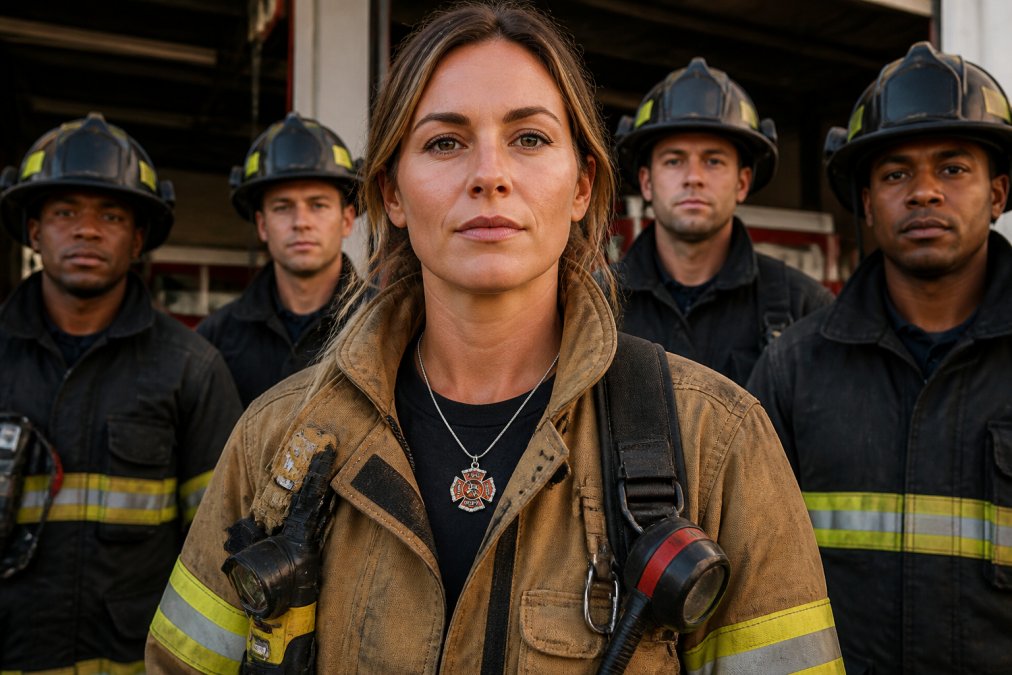
Gender-Neutral Fire Service Terminology and Its Impact
The shift toward gender-neutral language extends far beyond changing "fireman" to "firefighter." It reflects commitment to professional terminology describing roles, ranks, and functions without unnecessary gender markers.
Professional vs. Colloquial Language in the Firehouse
Official fire department communications, training materials, and job descriptions use gender-neutral terminology exclusively. However, informal firehouse culture often operates differently, reflecting the profession's all-male history. This gap matters: when a department officially uses "firefighter" but station culture relies on gendered language or exclusionary humor, it sends mixed messages to women. navigating workplace gender bias.
The most progressive departments align formal and informal cultures, recognizing that inclusive language throughout the organization strengthens team cohesion and safety. Many experienced female firefighters navigate a dual language system, understanding that official titles reflect their inclusion while casual banter sometimes doesn't. Effective departments establish clear cultural expectations that inclusive language is the norm everywhere.
Style Guide Recommendations and Official Designations
The Associated Press Stylebook recommends "firefighter" as the standard occupational term. The NFPA uses gender-neutral language throughout its standards and certifications (nfpa.org). Fire departments increasingly specify in style guides that "firefighter" is correct for all members, noting that "fireman," "firewoman," or "fireman/firewoman" are outdated.
Official job classifications reflect this shift: positions are listed as "Firefighter," "Fire Captain," "Fire Lieutenant," and "Battalion Chief" with no gender modifier. This clarity helps candidates of all genders understand career paths and envision themselves in these roles.
Challenges for Female Firefighters in a Changing Culture
Despite progress toward inclusive terminology and policies, female firefighters continue facing real challenges rooted in the profession's deeply male-centered history.
Social Stigma and Workplace Culture Shifts
Social stigma surrounding women in firefighting has diminished but hasn't disappeared. Some communities still question whether female firefighters can perform as effectively as male counterparts, reflecting outdated assumptions about physical capability rather than actual performance data.
Within departments, workplace culture varies dramatically. Some stations fully integrate women as equal members; others maintain older firehouse culture that, while not explicitly hostile, doesn't fully welcome women. Language plays a role: consistent inclusive terminology reinforces that women belong, while gendered language signals women are still outsiders. Progressive departments establish clear expectations about inclusive language as a tool for changing firehouse culture.
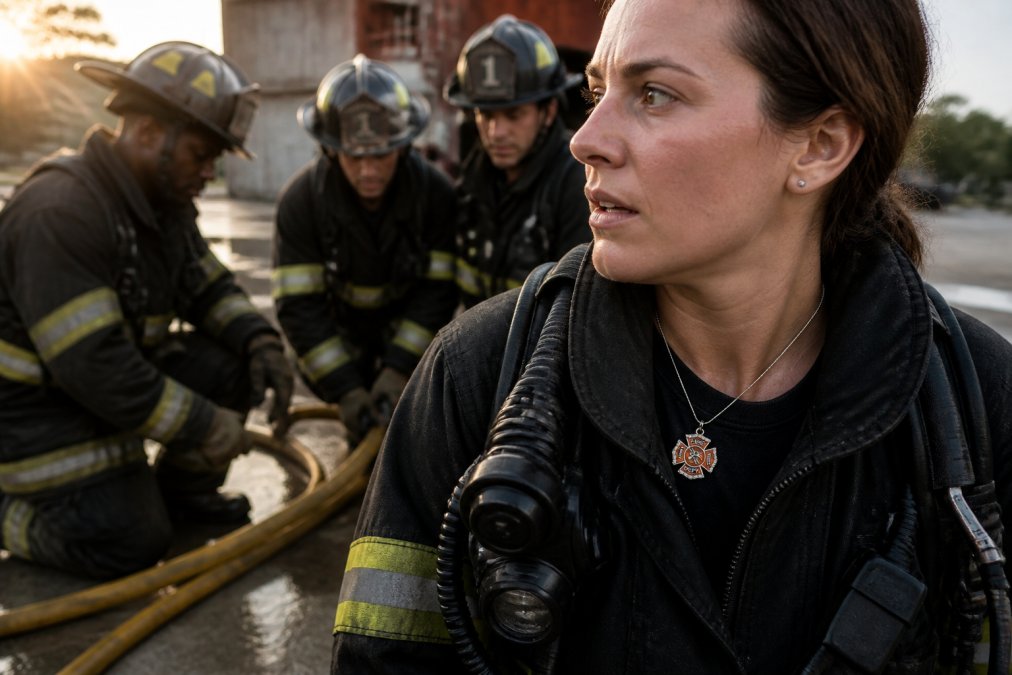
Recruitment, Retention, and Support Networks
Recruiting and retaining female firefighters requires establishing a workplace culture where women succeed and feel valued. Many departments have discovered that formal support networks, affinity groups, mentorship programs, peer support systems, significantly improve retention.
Female firefighters often feel isolated, especially in departments where they represent a small percentage. Support networks create spaces for connection and mutual support. Recruitment challenges persist partly because of visibility and messaging. When departments use inclusive language in recruitment materials and highlight female firefighters as valued members, they attract more qualified female candidates. The most effective departments recognize that supporting female firefighters means creating an environment where all qualified people can do their best work.
International Terminology Variations
Terminology for female firefighters varies across countries, reflecting different languages, cultures, and professional standards. The United Kingdom, Canada, Australia, and New Zealand use "firefighter" as the official term. European countries show more variation: Germany uses gendered terms built into the language; France uses "pompier" as gender-neutral; Scandinavian countries have moved toward gender-neutral terminology. The global trend clearly favors gender-neutral professional terminology reflecting the modern fire service as open to all qualified candidates.
Why Inclusive Language Matters in Emergency Services
The shift toward inclusive terminology isn't merely symbolic, it has real professional and practical implications. Language shapes how people perceive roles and who belongs in them. When the fire service uses gender-neutral language consistently, it sends a clear message that the profession belongs to anyone meeting qualifications. This matters for recruitment and retention: female firefighters in departments using inclusive language report higher job satisfaction and stronger belonging.
Inclusive language also matters for operational effectiveness. Research on diverse teams shows they make better decisions and respond more effectively to complex problems (peer-reviewed research). A fire department welcoming female firefighters benefits from the full range of available talent and perspective.
The terminology we use shapes how we see ourselves and each other. When we call someone a "firefighter," we acknowledge their professional identity. Consistent gender-neutral language reinforces that the fire service is a profession defined by capability, courage, and commitment, not gender.
The fire service has evolved dramatically over five decades, and language has evolved with it. Today, when someone asks what a female fireman is called, the answer reflects that evolution: a firefighter. This terminology change represents a broader transformation in how the fire service understands itself, as a profession open to all qualified people, united by shared values of service, courage, and brotherhood. For firefighters, fire departments, and the communities they serve, inclusive language is part of building a stronger, more effective emergency response system.
Frequently Asked Questions
What is the correct term for a female firefighter?
The standard professional term is 'firefighter,' which is gender-neutral and used across most fire departments and emergency services. While 'firewoman' exists as a descriptive term, 'firefighter' is the official occupational title recognized by fire departments and style guides. This inclusive language reflects the evolution of the profession and ensures equal recognition regardless of gender. The term applies to all personnel performing fire suppression, emergency medical services, and rescue operations.
Why did the fire service shift from 'fireman' to 'firefighter'?
The shift to 'firefighter' reflects both the history of women entering the fire service and broader workplace professionalization. As female firefighters joined departments starting in the 1970s, the occupational title evolved to gender-neutral language. This change also aligned with how other emergency services and public safety agencies standardized terminology. Fire departments adopted 'firefighter' as the official designation to create inclusive language that accurately describes the role without reference to gender, supporting recruitment and retention efforts.
Are there different terms used in different fire departments?
Most fire departments in the United States use 'firefighter' as the official occupational title, but informal or colloquial language varies by firehouse culture and region. Some departments may still use older terminology in casual conversation, though professional documentation uses gender-neutral language. International variations also exist, some countries use different terms entirely. However, the professional standard across U.S. emergency services, government agencies, and official fire department communications is 'firefighter,' regardless of whether personnel are male, female, or non-binary.
What challenges do female firefighters face in the fire service?
Female firefighters have historically faced barriers including social stigma, physical requirement debates, and workplace culture resistance. Many departments have worked to address these challenges through revised recruitment practices, mentorship programs, and affinity groups that support female personnel. Retention remains an issue, as some women leave due to workplace dynamics or lack of peer support. However, advocacy groups and modern fire departments continue improving inclusivity through policy changes, training on workplace culture, and recognition that diverse emergency services teams perform better and serve communities more effectively.
This article was written using GrandRanker
