

Best Firefighter Shirts for Gym Workouts
Table of Contents
- What Makes a Good Firefighter Shirt for the Gym
- Moisture-Wicking Firefighter Workout Shirts: Why Fabric Matters
- How to Choose Workout Shirts for Firefighters
- Firefighter-Owned Gym Clothing Brands: Why It Matters
- Top Picks for Firefighter Gym Apparel
- Building Your Firefighter Gym Wardrobe
- Frequently Asked Questions
Last Updated: September 28, 2026
What Makes a Good Firefighter Shirt for the Gym
When you're training off-duty, your gear needs to perform like you do. A quality best firefighter shirts for gym workouts isn't just about looking the part, it's about functionality that matches the intensity of your training. At Black Helmet, we understand that firefighters need apparel that handles everything from heavy compound lifts to functional fitness circuits without compromising comfort or durability.
The right gym shirt does three essential things: it manages sweat, allows full range of motion, and withstands the punishment of serious training. Most generic athletic wear fails on at least one of these fronts. Firefighter-specific gym apparel bridges that gap by combining performance fabrics with designs that respect the culture you represent.
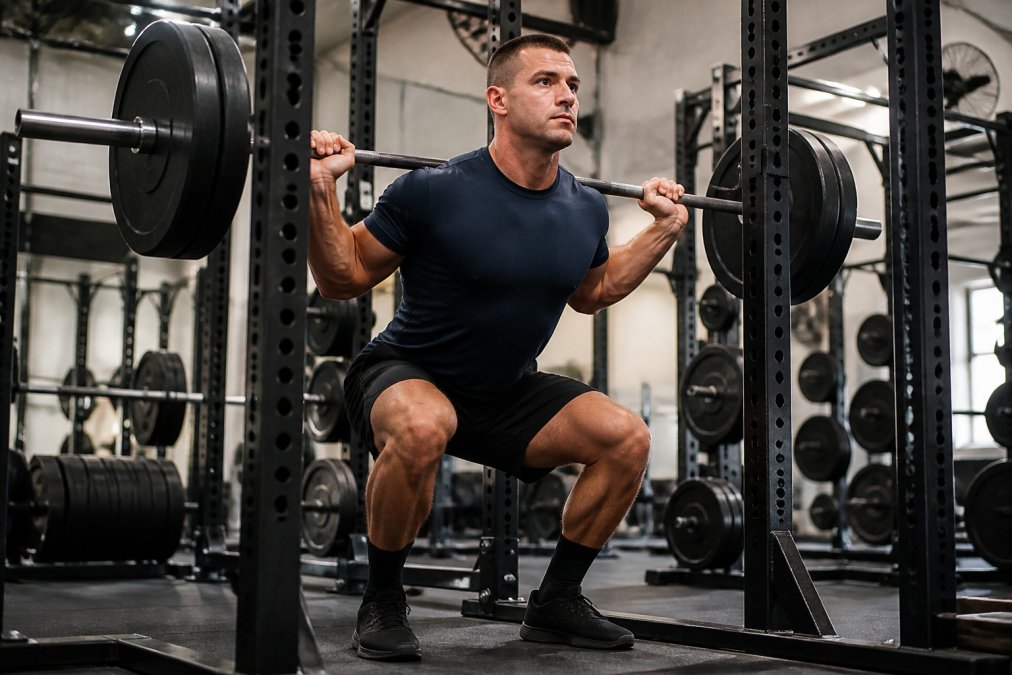
Think about what happens during a typical workout. Your body temperature spikes. Sweat accumulates. You're moving through planes of motion that demand unrestricted mobility. Standard cotton shirts absorb moisture and cling to your body, slowing you down and creating discomfort. Performance-engineered firefighter shirts for gym workouts solve this by using technical fabrics that wick moisture away from your skin while maintaining their shape through heavy exertion.
Durability matters too. Firefighters train hard. You're not doing light cardio, you're hitting strongman movements, battle ropes, and functional fitness that puts real stress on seams and fabric. A shirt that tears or degrades after a few months of serious training isn't worth wearing.
Moisture-Wicking Firefighter Workout Shirts: Why Fabric Matters
Moisture-wicking technology isn't marketing hype, it's the foundation of functional gym apparel. When fabric pulls sweat away from your skin and allows it to evaporate quickly, you stay cooler, move faster, and recover better between sets.
The science is straightforward. Cotton absorbs moisture and holds it against your skin, which increases weight and reduces thermal regulation. Synthetic blends like polyester-spandex combinations do the opposite. They're hydrophobic, meaning they repel moisture rather than absorb it. That sweat moves to the fabric surface where air can evaporate it, keeping your core temperature stable and your movement unrestricted.
Most firefighter-specific gym apparel uses blends in the 82% polyester, 18% spandex range. This ratio provides excellent moisture management while maintaining the stretch and recovery you need during dynamic movements. The polyester handles the wicking. The spandex gives you the flexibility to move through a full range of motion without restriction.
Four-Way Stretch and Range of Motion
Four-way stretch fabric moves with you in every direction, forward, backward, left, right, and diagonal. For firefighters, this matters because your training isn't linear. You're rotating, reaching, pulling from angles that demand unrestricted mobility.
When fabric only stretches in two directions (typically lengthwise), you hit a ceiling on your range of motion. Reaching overhead, rotating your torso for cable work, or moving laterally all feel restricted. Four-way stretch eliminates that problem. The fabric recovers to its original shape after each movement, so you're not fighting your shirt while you're fighting the weight.
Look for shirts that explicitly mention four-way stretch construction. The best ones combine this with flat seams and bias binding, details that keep friction and chafing out of the equation during high-intensity work.
Durability and Tear Resistance for Heavy Training
A shirt that lasts matters, especially when you're training seriously. Reinforced seams, quality stitching, and durable fabric weight separate gym wear that holds up from gear that falls apart.
Fabric weight is measured in ounces per square yard. Heavier isn't always better, too heavy and your shirt becomes restrictive and retains heat. But too light and the fabric tears easily under stress. For firefighter gym apparel, 6.5-7.5 oz/yd² provides the sweet spot between durability and performance. This weight handles heavy training without becoming a burden.
Check the construction details. Reinforced seams at stress points (shoulders, armpits, side seams) prevent blowouts. Bias binding, a diagonal strip of fabric sewn into seams, distributes stress across a wider area, reducing the chance of tearing. Pilling-resistant fabric treatments keep your shirt looking sharp even after dozens of washes.
How to Choose Workout Shirts for Firefighters
Selecting the right how to choose workout shirts for firefighters comes down to matching your training style, body type, and preference for layering. Different approaches work for different people, and the best choice depends on your specific needs.
Start by identifying your primary training focus. Are you doing heavy strength work, metabolic conditioning, functional fitness, or a mix? Your answer shapes what you need from a shirt. Heavy lifters benefit from minimal fabric movement and maximum stability. Conditioning athletes prioritize breathability and moisture management above all else.
Turnout Print Sports Bra (Breathable →
Body type and fit preference matter equally. Some firefighters prefer a tight athletic cut that moves with them. Others like a slightly looser fit that allows layering underneath. Neither is wrong, it's about what feels right and supports your training intensity.
Fit: Athletic Cut vs. Standard Cut
An athletic cut shirt is tapered at the sides and fitted through the torso. It moves with your body, minimizes excess fabric, and gives you a profile that reflects the work you put in. For heavy training, this fit prevents fabric from catching on equipment or getting in your way during dynamic movements.
A standard cut is roomier through the chest and sides. This works well if you layer underneath or prefer more freedom of movement. Some firefighters use standard-cut shirts as a base layer under a hoodie or jacket during transitions between the station and the gym.
The best fit for you depends on your training environment and personal preference. If you're moving between the firehouse and the gym, a slightly roomier standard cut might work better. If you're training hard and want minimal distractions, an athletic cut keeps everything in place.
Layering for Station Transitions
Many firefighters train at or near the station, which means moving between workout gear and station wear throughout the day. A long-sleeve option gives you flexibility to layer and transition smoothly without changing completely.
Long sleeves also provide an extra layer of protection if you're working with equipment that might cause minor scrapes or irritation.
Firefighter-Owned Gym Clothing Brands: Why It Matters
When you buy from a firefighter-owned gym clothing brands, you're supporting someone who understands the job. They know what you need because they've worn the uniform. They understand station culture, the brotherhood, and what it means to represent your department in everything you wear.
Top Picks for Firefighter Gym Apparel
| Product | Price | Best For | Key Feature |
|---|---|---|---|
| Tailboard Rider Athletic Long Sleeve Tee | $36.50 | Heavy training and layering | Fitted athletic cut, pre-shrunk cotton |
| St. Florian Irish Protect Us Premium Athletic Long Sleeve Tee | $29.00 | Versatile daily wear | Ring-spun cotton, heritage design |
| Turnout Print Sports Bra | $31.50 | High-intensity female firefighters | Four-way stretch, moisture-wicking |
| Thin Red Line Yoga Leggings With Inside Pocket | $54.50 | Functional fitness and conditioning | Four-way stretch, microfiber comfort |
| Red Skull Logo Embroidered Joggers | $54.50 | Off-duty training and recovery | Tapered fit, pilling-resistant fleece |
Long Sleeve Options for Versatility
The Tailboard Rider Athletic Long Sleeve Tee ($36.50) is built for serious training. Made from 100% combed and ring-spun cotton with pre-shrunk fabric, it delivers the durability firefighters demand. The fitted athletic cut moves with you during heavy lifts and functional movements. This shirt works equally well under a hoodie during station transitions or as your primary training layer.

Moisture-Wicking Bottoms and Support Gear
For firefighters serious about functional fitness and conditioning, bottoms matter as much as tops. The Thin Red Line Yoga Leggings With Inside Pocket ($54.50) combines four-way stretch with moisture-wicking performance. The inside pocket keeps your keys or phone secure during training. The raised waistband provides stability during dynamic movements.

Building Your Firefighter Gym Wardrobe
Start with one quality long-sleeve shirt and a pair of performance bottoms. This foundation covers most training scenarios. From there, add pieces based on your training environment and season.
Frequently Asked Questions
What fabric is best for high-intensity firefighter gym workouts?
Moisture-wicking synthetic blends (polyester and spandex) outperform cotton for intense training. These materials pull sweat away from your skin and dry quickly, keeping you dry during and after high-intensity interval training. Four-way stretch fabrics provide unrestricted range of motion during heavy lifts and functional fitness exercises. Cotton absorbs sweat and stays wet, reducing comfort and performance during firefighter-specific conditioning.
Should I wear cotton or moisture-wicking shirts to the gym?
Moisture-wicking shirts are superior for gym workouts. Cotton absorbs moisture and retains it against your skin, causing discomfort and chafing during movement. Moisture-wicking fabrics like polyester-spandex blends pull sweat away, dry faster, and reduce odor buildup. For firefighters training for functional fitness and high-intensity conditioning, moisture-wicking materials support better performance and durability through repeated washings.
How do I choose a gym shirt that won't restrict my movement during heavy lifts?
Look for four-way stretch materials that move with your body in all directions, forward, backward, and side-to-side. An athletic fit (tapered but not tight) provides freedom without excess fabric. Flat seams and bias binding minimize rubbing during overhead presses, rows, and dynamic movements. Avoid oversized cuts that create drag, and test shoulder and sleeve mobility before purchasing. Long sleeves can work if the fabric is lightweight and the armholes are cut for full range of motion.
Why should I choose firefighter-owned gym clothing brands?
Firefighter-owned brands understand station culture, shift work demands, and the specific movements required in functional fitness training. They design gear that bridges duty wear and gym apparel, pieces that feel authentic to the job while performing under high-intensity conditioning. Supporting firefighter-owned companies also means your purchase directly supports people who live the profession, not corporations capitalizing on fire service culture.
