

How to Manage Firefighter PTSD Symptoms
Table of Contents
- Understanding PTSD in the Fire Service
- Recognizing Signs of PTSD in First Responders
- Step 1: Seek Professional Evaluation and Diagnosis
- Step 2: Explore Evidence-Based Treatment Options
- Step 3: Engage with Peer Support Programs for Firefighters
- Step 4: Build Family and Spouse Support Systems
- Step 5: Access Firefighter Mental Health Resources
- Step 6: Develop Daily Coping Strategies and Emotional Regulation
Last Updated: August 21, 2026
Understanding PTSD in the Fire Service
Post-traumatic stress disorder in firefighters develops from repeated exposure to critical incidents, structure fires, mass casualties, pediatric deaths, line-of-duty losses. Unlike civilians who might experience trauma once, firefighters accumulate it. Each call stacks on the last, creating a cumulative weight that separates firefighter PTSD from other trauma presentations.
PTSD in first responders isn't a weakness. It's a documented neurobiological response to repeated high-threat situations. The brain's threat-detection system gets recalibrated. Normal stimuli, sirens, smoke, specific radio frequencies, trigger survival responses that were appropriate at the fireground but become intrusive in civilian life. Managing PTSD effectively means recalibrating a system that adapted too well to danger.
The fire service has historically treated mental health as something you handle alone. That culture kept firefighters operational for generations, but it also kept many silent when they needed help most. The shift toward peer support programs and open conversations about mental health represents a recognition that managing PTSD is a professional responsibility, not a personal failing.
The National Institute for Occupational Safety and Health has documented that firefighters experience PTSD at rates significantly higher than the general population.
Recognizing Signs of PTSD in First Responders
The first challenge in managing firefighter PTSD symptoms is recognizing them. PTSD doesn't announce itself with a diagnosis label. It shows up as behavioral changes, relationship strain, performance dips, and physical complaints that seem unrelated to trauma.
Firefighters are trained to compartmentalize. But compartmentalization has a shelf life. When the trauma load exceeds capacity, symptoms leak out, sometimes as anger, sometimes as withdrawal, sometimes as emotional exhaustion.
Physical and Behavioral Warning Signs
Hyperarousal is the most visible sign. The nervous system stays in high alert even during downtime. A firefighter might startle at sudden noises, struggle to sleep despite exhaustion, or feel their heart race during routine activities. Heart palpitations, muscle tension, and headaches are common.
Sleep disturbances are nearly universal in firefighter PTSD, fragmented sleep, nightmares tied to specific calls, or waking in panic. The fatigue compounds everything else, degrading decision-making and emotional regulation.
Behavioral changes often show up before the firefighter recognizes the pattern. Avoidance is a hallmark: avoiding certain routes, specific call types, or social situations with the crew. Some firefighters increase alcohol or substance use as self-medication to quiet the nervous system or sleep through the night.
Emotional and Cognitive Changes
Emotional numbing or flatness is common and often misinterpreted. Friends and family notice the firefighter seems distant, uninterested in activities they used to enjoy, or emotionally unavailable. This is a protective response where the nervous system downregulates emotion to manage overwhelming threat signals.
Intrusive thoughts and flashbacks distinguish PTSD from general stress. A firefighter might suddenly be back at a specific call, seeing it, hearing it, feeling the physical sensations. These are involuntary neurological replays triggered by sensory cues the conscious mind doesn't register.
Hypervigilance shows up as constant scanning for threats, difficulty trusting others, or an expectation that something bad is about to happen. On the couch at home, it's exhausting.
Irritability and anger outbursts are common and often the first sign family members notice. The firefighter might snap over minor issues or feel rage disproportionate to the trigger. This is a nervous system in overdrive, not a personality change.
Step 1: Seek Professional Evaluation and Diagnosis
The first step in managing firefighter PTSD symptoms is getting a clinical diagnosis from someone who understands the fire service context. Look for a mental health professional with experience in occupational trauma or first responder PTSD. They'll understand why certain interventions work and why generic trauma approaches sometimes miss the mark.
The clinical evaluation should include a comprehensive history of critical incidents, current symptoms, duration, and how they're affecting work and personal life. A diagnosis of PTSD requires specific criteria: exposure to a traumatic event, intrusive symptoms, avoidance behaviors, negative mood and cognitive changes, and arousal symptoms lasting more than a month (peer-reviewed research).
Some firefighters resist seeking evaluation because they fear consequences, loss of certification, being pulled from duty, or being labeled as unable to do the job. Understanding your department's policies and your rights under the Americans with Disabilities Act is important. Many departments now recognize that treating PTSD early prevents worse outcomes and keeps firefighters operational longer.
Step 2: Explore Evidence-Based Treatment Options
Once diagnosed, evidence-based treatment options for firefighter PTSD include several proven approaches. The most effective interventions share a common mechanism: they help the nervous system recognize that the threat has passed and recalibrate threat detection.
Cognitive Behavioral Therapy (CBT) and Exposure Therapy
Cognitive behavioral therapy for PTSD focuses on identifying and changing thought patterns that maintain the trauma response, and gradually exposing the nervous system to trauma-related cues in a safe, controlled way.
In CBT, a firefighter works with a therapist to identify thoughts that maintain anxiety. For example, after a pediatric fatality, a firefighter might think "I'm responsible for that death" or "I can't handle emergencies anymore." These thoughts trigger the same nervous system response as the original trauma. CBT helps identify these patterns and test whether they're accurate.
Exposure therapy involves gradually encountering trauma-related cues, sounds, images, situations, sensations, in a safe context where the firefighter learns that the cue itself isn't dangerous. This might mean listening to recordings of sirens, reviewing photos from the incident, or visiting the location where the trauma occurred. Repeated exposure, without the threat materializing, helps the brain update its threat assessment.
Cognitive Processing Therapy and EMDR
Cognitive processing therapy (CPT) places emphasis on processing the trauma narrative itself. A firefighter writes about the traumatic incident in detail, then works with a therapist to identify and challenge stuck points, beliefs that developed from the trauma that no longer serve them.
Eye movement desensitization and reprocessing (EMDR) uses bilateral stimulation, typically eye movements following the therapist's finger, while recalling the traumatic memory. EMDR has strong evidence for reducing the emotional intensity of traumatic memories and helping the brain process trauma more fully. evidence-based PTSD treatment.
Both CPT and EMDR are effective for firefighter PTSD. The choice often depends on therapist availability, firefighter preference, and the specific trauma presentation.

Step 3: Engage with Peer Support Programs for Firefighters
Peer support programs for firefighters represent a critical layer of support that complements professional treatment. Unlike therapy, peer support happens within the fire service culture, with people who understand the job, the language, the brotherhood, and the specific stressors firefighters face.
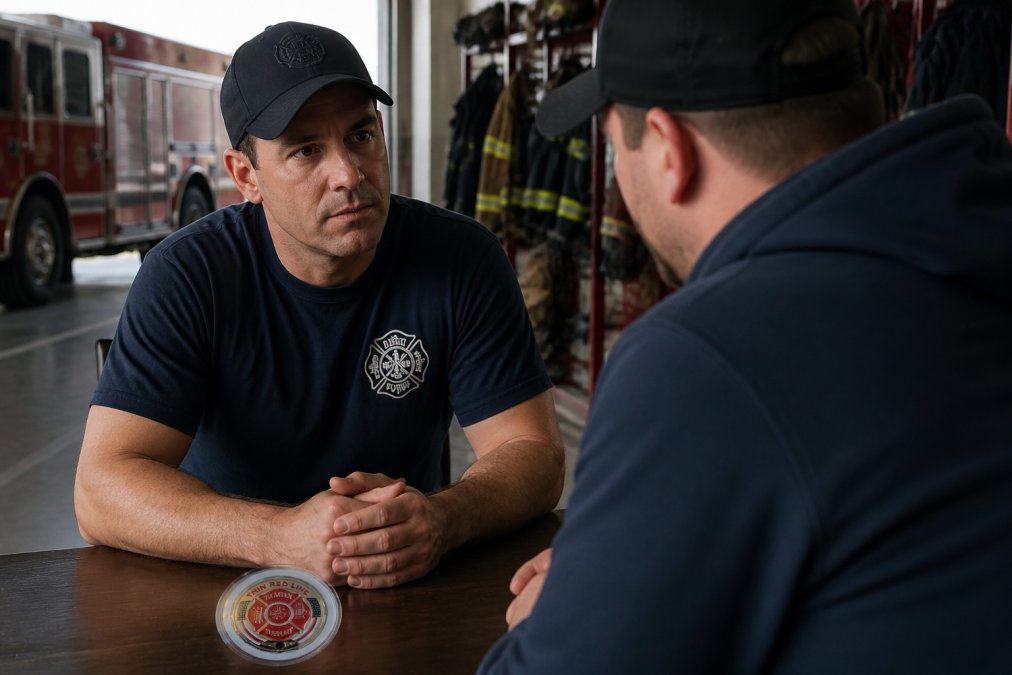
Peer support works because it removes barriers. A firefighter is more likely to open up to someone who's been through similar experiences than to a therapist they've never met. Peer supporters understand the unspoken rules of the fire service and know how to meet someone where they are.

Peer support programs vary by department. Some are formal, with trained peer supporters who receive 40+ hours of specialized training. Others are informal, senior firefighters who've been through PTSD themselves. The best programs combine both: formal structure with the authenticity of someone who's lived it.
Peer supporters are positioned to catch signs of PTSD early. They notice when someone's behavior changes, when they're withdrawing from the crew, or when they're drinking more at the station. Early intervention can prevent PTSD from becoming severe.
Step 4: Build Family and Spouse Support Systems
PTSD doesn't affect only the firefighter. It affects their entire family. A spouse notices the emotional distance, the sleep disruption, the irritability. Children pick up on the tension. The family system becomes destabilized, which compounds the firefighter's stress and makes recovery harder.
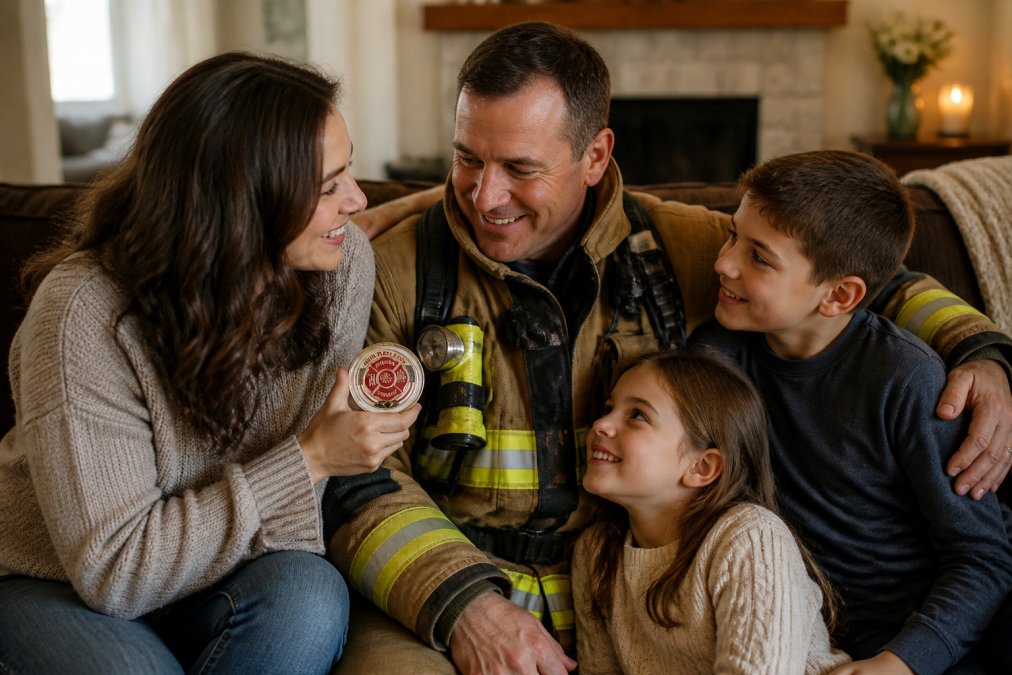
Building family support systems starts with education. Spouses and family members need to understand that PTSD is not a choice, not a character flaw, and not something the firefighter can simply "get over." They need to understand that irritability, emotional distance, and hypervigilance are symptoms of nervous system dysregulation, not rejection.
Many families benefit from couples or family therapy with a therapist experienced in first responder trauma. These sessions help the family understand the firefighter's experience, improve communication, and rebuild connection. Some departments offer family education programs or support groups specifically for firefighter families.
Communication is foundational. The firefighter needs to help their family understand what they're experiencing without burdening them with the full weight of the trauma. The family needs to express their concerns and needs without adding to the firefighter's guilt or shame. These conversations benefit from professional facilitation.

Step 5: Access Firefighter Mental Health Resources
Firefighter mental health resources have expanded significantly in recent years. Most departments now have employee assistance programs (EAPs) that provide confidential counseling. Many states have peer support networks and mental health initiatives specifically for first responders. The International Association of Fire Chiefs maintains resources and guidance for departments implementing mental health programs.
Telehealth options have made professional support more accessible. A firefighter can schedule therapy sessions outside of work hours without worrying about being seen at a mental health clinic. Crisis resources are critical. The 988 Suicide and Crisis Lifeline provides free, confidential support 24/7. Some departments have peer support hotlines staffed by firefighters trained in crisis response.
At Black Helmet, we recognize that firefighters need gear and support systems that honor their service and their humanity. Our challenge coins and dog tags serve as reminders of the firefighter's prayer and the support systems that sustain them through difficult times.
Documentation matters. If a firefighter is receiving treatment for PTSD, having that documented with their department can protect them and ensure they receive appropriate accommodations. Many departments have return-to-duty protocols that allow firefighters to gradually resume full duties after treatment.
Step 6: Develop Daily Coping Strategies and Emotional Regulation
Managing firefighter PTSD symptoms day-to-day requires practical strategies that help regulate the nervous system between professional treatment sessions. These complement professional care.
Breathing techniques are foundational. When the nervous system is in high alert, the breath becomes shallow and rapid. Deliberately slowing the breath through box breathing (inhale for 4, hold for 4, exhale for 4, hold for 4) or extended exhale breathing signals safety to the nervous system. A longer exhale activates the parasympathetic nervous system, the body's brake pedal.
Physical exercise is one of the most effective tools for managing hyperarousal and sleep disturbance. Vigorous exercise helps metabolize stress hormones and promotes deeper sleep. Many firefighters find that their symptoms improve significantly with a regular exercise routine.
Sleep hygiene becomes critical: consistent sleep and wake times, avoiding screens before bed, keeping the bedroom cool and dark, and limiting caffeine and alcohol. For firefighters with nightmares, some find that adjusting sleep position or using white noise helps.
Mindfulness and meditation are evidence-based for PTSD. These practices help create space between a trigger and a response, allowing the firefighter to observe thoughts and sensations without being overwhelmed. Apps like Insight Timer or Calm offer guided meditations specifically for trauma and anxiety.
Substance use deserves direct attention. Many firefighters turn to alcohol or other substances to manage symptoms, to sleep, or to numb emotional pain. This becomes a cycle: temporary relief followed by impaired sleep quality and emotional processing, making symptoms worse long-term. If substance use is developing, addressing it early through peer support or professional counseling is essential.
Social connection, despite the desire to withdraw, is protective. Spending time with crew, maintaining relationships with family and friends, and engaging in activities outside the fire service all help. Intentional connection, even when it feels difficult, is therapeutic.
| Coping Strategy | Primary Benefit | Implementation |
|---|---|---|
| Box breathing | Activates parasympathetic nervous system | 5 minutes, 2-3 times daily |
| Vigorous exercise | Metabolizes stress hormones, improves sleep | 30+ minutes, 4-5 times weekly |
| Sleep hygiene | Improves sleep quality and reduces nightmares | Consistent schedule, cool/dark bedroom |
| Mindfulness meditation | Creates space between trigger and response | 10-20 minutes daily with guided app |
| Social connection | Reduces isolation, provides support | Regular crew time, family engagement |
| Limiting alcohol | Prevents self-medication cycle | Honest assessment and peer accountability |
Managing firefighter PTSD symptoms is not about returning to who you were before the trauma. It's about recalibrating your nervous system so that the trauma no longer controls your life, your relationships, or your career. Professional treatment, peer support, family involvement, and daily practices work together to create lasting change. Black Helmet stands with the firefighter community in recognizing that managing PTSD is part of the job, and that seeking support is a sign of strength, not weakness. The resources and support systems available today are better than they've ever been, and firefighters deserve to use them.
Frequently Asked Questions
What are the most effective evidence-based treatments for firefighter PTSD?
Cognitive behavioral therapy (CBT), exposure therapy, cognitive processing therapy, and eye movement desensitization and reprocessing (EMDR) are the most researched and effective treatments. CBT helps restructure traumatic thoughts; exposure therapy gradually reintroduces triggering situations in a safe environment; cognitive processing therapy focuses on how trauma has changed beliefs; and EMDR uses bilateral stimulation to process traumatic memories. Telehealth options make access easier for shift workers.
How can I manage PTSD symptoms on and off duty?
Start by recognizing your specific triggers, hyperarousal, flashbacks, panic attacks, or avoidance behaviors. Practice emotional regulation techniques like breathing exercises and grounding methods during your shift. Off duty, maintain sleep routines (sleep disturbances are common), avoid self-medication through substance abuse, and engage in activities that build resilience. Peer support and professional counseling provide accountability and coping strategies. Many firefighters find that structured routines, physical activity, and staying connected to station culture help manage symptoms consistently.
Can you still be a firefighter if you have PTSD?
Yes. Many firefighters manage PTSD successfully while remaining on active duty. Return-to-duty protocols vary by department, but typically involve medical clearance from a mental health professional, ongoing treatment, and regular check-ins with occupational health. Early intervention is critical, seeking help quickly improves outcomes and keeps you operational. Some departments require fitness-for-duty evaluations, but receiving treatment does not automatically disqualify you. The key is being honest about symptoms and committing to evidence-based treatment like CBT or EMDR.
Where can firefighters find confidential peer support and mental health resources?
Many fire departments have established peer support programs staffed by trained firefighters who understand the job. Organizations like the International Association of Fire Fighters (IAFF) offer confidential mental health resources and can connect you to crisis lines. Telehealth platforms now provide therapy options that fit shift schedules. The Firefighter Behavioral Health Alliance and department employee assistance programs (EAPs) offer free, confidential counseling. Start by talking to your station leadership, union representative, or occupational health office, they can direct you to department-specific resources and help reduce stigma around seeking help.
This article was written using GrandRanker
