

How to Identify Authentic Firefighter Apparel
Table of Contents
- Why Identifying Authentic Firefighter Apparel Matters
- Check for NFPA 1975 Compliance and Flame Resistance Certification
- Examine Fabric Quality and Material Specifications
- How to Spot Counterfeit Firefighter Gear
- Professional Grade Gear vs. Lifestyle Apparel
- Best Firefighter Apparel Brands to Trust
- Authentication Verification Checklist
- Conclusion
Last Updated: August 27, 2026
Why Identifying Authentic Firefighter Apparel Matters
Counterfeit firefighter gear poses a safety risk. When apparel claims to meet professional standards but doesn't, you're putting yourself at risk. The fire service demands gear that performs under extreme conditions, and knockoffs cut corners on materials, construction, and certification that keep you protected.
Authenticity also matters for identity. Firefighters wear their apparel as a badge of brotherhood and service. Authentic gear reflects that commitment and is made by people who understand the job, not manufacturers chasing a trend.
This guide from Black Helmet covers how to spot the real deal and avoid counterfeits that underperform when it counts. Knowing what separates authentic professional-grade gear from lifestyle knockoffs is essential.
Check for NFPA 1975 Compliance and Flame Resistance Certification
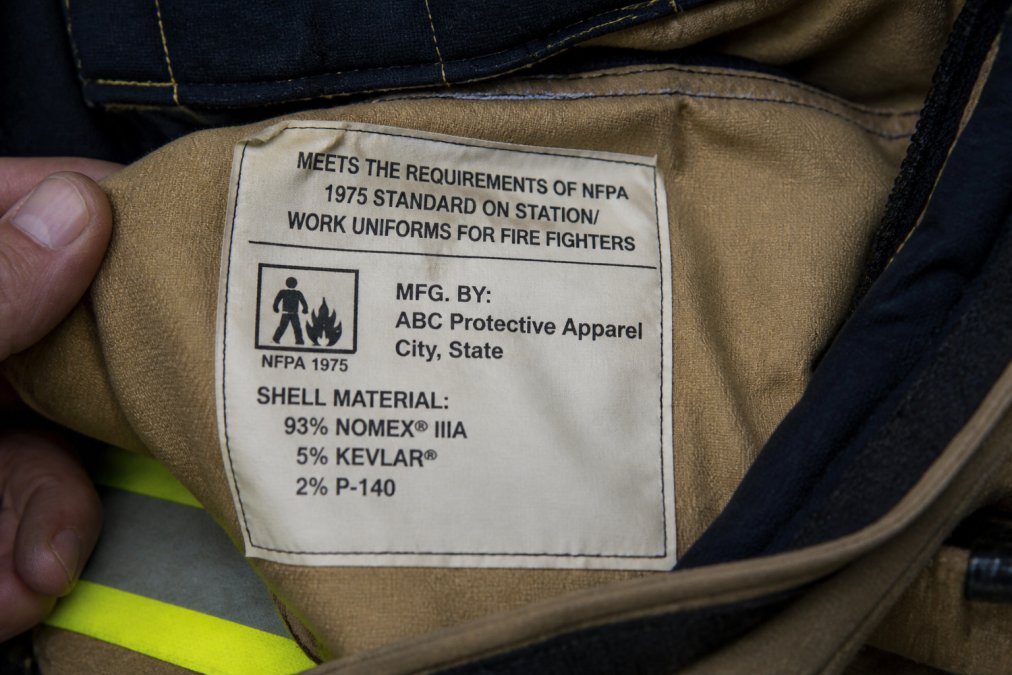
NFPA 1975 is the standard governing protective clothing for structural firefighting (nfpa.org). If apparel claims to meet this standard, it must carry official certification.
What NFPA 1975 Means
NFPA 1975 compliance means the apparel has been tested for flame resistance, thermal protection, and durability under real-world conditions (nfpa.org). The standard covers fabric weight, stitching quality, and overall garment construction, ensuring the gear won't ignite easily and provides thermal protection during exposure to flames and heat.
When you see NFPA 1975 on a label, the manufacturer submitted samples for independent testing and passed. Third-party labs evaluate the apparel against specific criteria, confirming the garment meets minimum performance standards for structural firefighting.
Counterfeit gear often claims NFPA compliance without backing it up. Authentic apparel includes certification numbers, testing lab names, and dates because they're required.
How to Verify Certification Labels
Legitimate NFPA 1975 certification includes the testing lab's name, a certification or test number, and the date of certification. The label should be sewn securely into the garment, not printed or glued.
Look for the manufacturer's name and contact information. Authentic brands stand behind their products and make it easy to reach them. Check the certification number by contacting the testing laboratory directly to confirm the apparel passed. If the certification number doesn't exist or the lab has no record of it, you've found a fake.
The fiber content should also be listed. NFPA 1975 compliant apparel typically uses combed ring-spun cotton or fire-resistant blends with specific percentages. Vague descriptions suggest the manufacturer isn't being transparent.
Examine Fabric Quality and Material Specifications
The feel and weight of the fabric indicate whether apparel is authentic. Professional-grade firefighter gear uses specific materials chosen for their performance under heat and flame.
Look for Combed Ring-Spun Cotton and Thermal Protection
Combed ring-spun cotton is the gold standard for firefighter apparel. This fabric is created by combing raw cotton fibers to remove short strands, then twisting them tightly, resulting in a denser, more durable fabric with better thermal properties than standard cotton.
When you hold authentic apparel, the fabric feels substantial with weight and density. Counterfeit gear often uses cheaper cotton or blends that feel thinner and lighter. Authentic professional-grade apparel typically uses 7-8 ounce cotton or heavier, providing the thermal protection needed for structural firefighting (peer-reviewed research).
The thermal protection rating should be documented. If the manufacturer doesn't specify thermal properties, ask for documentation.
Assess Stitching Quality and Garment Durability
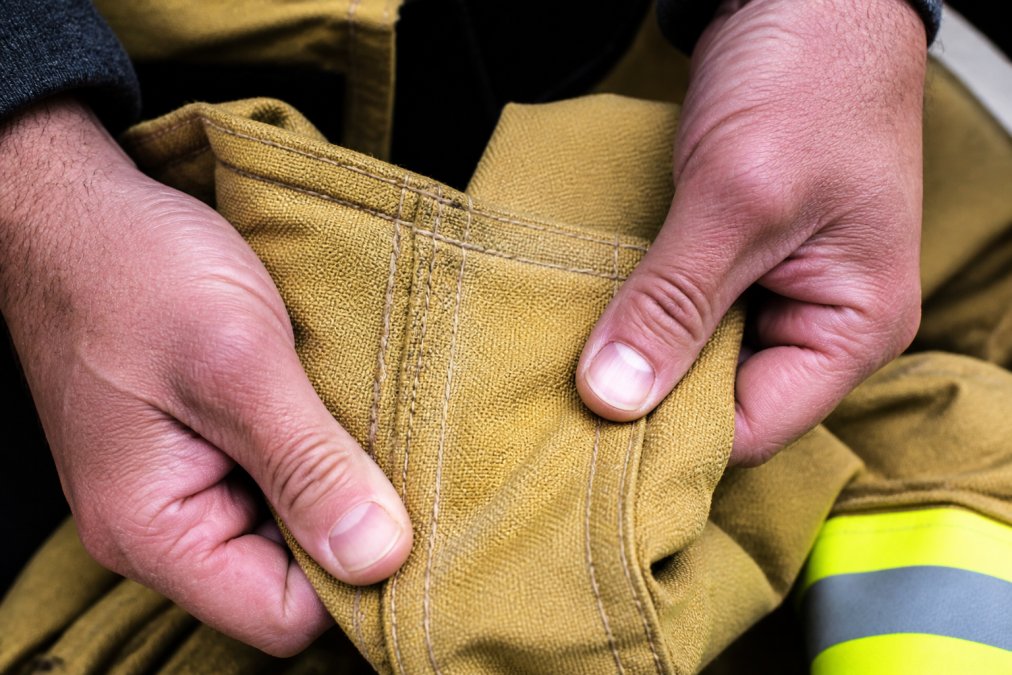
Stitching quality separates authentic gear from counterfeits. Look closely at seams, hems, and pocket construction. Authentic apparel uses tight, even stitching with no loose threads or gaps. Counterfeit gear often has visible flaws that indicate the garment will fall apart faster.
Check the hems and cuffs for clean finishing with no fraying. Pocket construction should be reinforced, especially at stress points. Seams should be positioned to avoid stress concentration, and the collar and sleeve cuffs should maintain their shape after washing.
How to Spot Counterfeit Firefighter Gear
Counterfeits range from obvious knockoffs to sophisticated fakes. Knowing what to look for helps you avoid them.
Visual Authentication Guide
Authentic firefighter apparel looks and feels professional. The design is clean, colors are true, and branding is crisp. Examine any logos or emblems, they should be embroidered or screen-printed with precision. Stitched logos have even tension and clean edges. Printed logos should be sharp without bleeding or fading. durable military apparel.
Check for spelling errors or grammatical mistakes. Legitimate brands proofread their labels and graphics. The overall construction should feel solid with substance and quality you can physically sense. Cheap counterfeits feel flimsy and poorly made.
Look at the tags and labels. They should be professional, clearly printed, and securely attached. Multiple labels should be aligned and properly sewn.
Verify Manufacturer Authentication and Licensing
Research the brand directly by visiting the manufacturer's official website and comparing what you're holding to their product photos. Legitimate brands have professional websites with detailed product information and transparent policies.
Check for licensing agreements and verify them independently. Look for the manufacturer's contact information on the label and call or email to verify the product is authentic. Legitimate manufacturers keep records of their products and can confirm whether a specific item is genuine.
Verify the product through the manufacturer's official distribution channels. If you bought from an unexpected source, a marketplace seller with poor reviews, or an international seller with no verifiable presence, there's higher risk of counterfeiting.
Some authentic brands use holograms, QR codes, or other anti-counterfeiting measures. If the brand uses such measures and the item lacks them, it's likely counterfeit.
Professional Grade Gear vs. Lifestyle Apparel
Understanding the distinction between professional-grade firefighter gear and lifestyle apparel helps you make informed choices.
Duty Uniform Standards and Structural Firefighting Requirements
Duty uniforms are designed for active firefighting and must meet NFPA 1975 standards. Professional-grade apparel is tested and certified with documentation proving it meets safety standards. The manufacturer designs it with input from active firefighters and fire departments, built to last through years of heavy use and repeated washing.
Structural firefighting gear faces specific demands. The apparel must withstand high temperatures, resist ignition, and maintain integrity during rescue operations. Professional-grade gear reflects these realities.
Consumer vs. Professional Distinction
Lifestyle apparel celebrates firefighter culture without meeting professional duty standards. It's designed for off-duty wear, gifts, or expressing pride in the fire service, not for active duty. Lifestyle apparel doesn't need NFPA 1975 certification and can be made from standard cotton or thinner fabrics.
The distinction matters. If you're buying gear to wear during duty, it must be professional-grade and certified. If you're buying a gift for a firefighter, lifestyle apparel is appropriate and meaningful. Be clear about your purpose before buying.
Best Firefighter Apparel Brands to Trust
Authentic firefighter apparel comes from manufacturers with roots in the fire service.
What Separates Authentic Firefighter-Owned Brands
Firefighter-owned and family-run brands bring credibility that corporate manufacturers can't match. Owners who've worn the uniform understand what gear needs to do and design products that address real needs.
Black Helmet exemplifies this approach. Founded in 2008 by people with deep ties to the fire service, Black Helmet creates premium apparel and accessories that honor the brotherhood and tradition of firefighting.
Authentic firefighter brands engage with their community, listen to feedback from active firefighters and fire departments, and invest in quality materials and construction. Look for brands with verifiable history in the fire service and relationships with fire departments. Authentic brands are transparent about their processes and materials.
Authentication Verification Checklist
Use this checklist when evaluating any firefighter apparel purchase:
| Verification Step | What to Look For | Status |
|---|---|---|
| NFPA 1975 Certification | Label includes certification number, testing lab name, and date | ☐ |
| Fiber Content | Combed ring-spun cotton or fire-resistant blend with percentages listed | ☐ |
| Fabric Weight | 7-8 ounce cotton or heavier for duty gear | ☐ |
| Stitching Quality | Tight, even stitches with no loose threads or gaps | ☐ |
| Logo and Graphics | Crisp, professional appearance with no bleeding or fading | ☐ |
| Labels and Tags | Professional, clearly printed, securely sewn, properly aligned | ☐ |
| Manufacturer Contact | Official website, phone number, and email clearly listed | ☐ |
| Brand Reputation | Verifiable history in fire service with firefighter reviews | ☐ |
| Thermal Protection | Documented thermal protection rating for duty gear | ☐ |
| Seam Reinforcement | High-stress areas reinforced with double or triple stitching | ☐ |
Start by checking the certification. If NFPA 1975 compliance is claimed, verify the certification number with the testing lab. Next, examine the fabric and construction, feel the weight, check the stitching, and compare to the manufacturer's official website. Research the brand independently and contact the manufacturer directly if uncertain.
For duty gear, never compromise on certification. If NFPA 1975 compliance can't be verified, don't buy it. Your safety depends on gear that actually meets professional standards.
Choosing authentic firefighter apparel means understanding the difference between certified professional gear and lifestyle wear. It means verifying NFPA 1975 compliance, assessing fabric quality, and researching the brand behind the product. When you identify authentic firefighter apparel, you're making a choice that reflects your commitment to the fire service and your own safety. Black Helmet has served the firefighter community since 2008 by creating premium apparel and accessories that honor the brotherhood and tradition of those who serve. Every product is built with the quality, durability, and authenticity that firefighters deserve. When you choose gear from a firefighter-owned brand with deep roots in the fire service, you're supporting people who understand the job and respect the profession.
Frequently Asked Questions
What certifications should I look for when identifying authentic firefighter apparel?
Look for NFPA 1975 compliance certification, which sets the standard for professional-grade firefighter protective clothing. Authentic apparel displays certification labels inside the garment with the manufacturer's name, fiber content, and thermal protection specifications. Check that labels are permanently stitched, not printed, and match the manufacturer's official documentation. Counterfeit gear often lacks these certifications or uses fake labels with misspelled text or inconsistent formatting.
How can I tell if firefighter apparel is counterfeit?
Counterfeit firefighter gear shows several red flags: loose or uneven stitching, misspelled brand names or fire department insignia, flimsy fabric that feels thin or cheap, missing or illegible certification labels, and prices significantly below authentic brands. Verify the manufacturer directly through their official website before purchasing. Authentic brands provide transparent sourcing information and stand behind their products with satisfaction guarantees. Check the garment's weight and fabric density, professional-grade apparel uses combed ring-spun cotton and heavier materials for durability.
What's the difference between professional-grade firefighter gear and lifestyle apparel?
Professional-grade gear meets NFPA compliance standards and is designed for structural firefighting and duty uniform wear. It features thermal protection, reinforced stitching, and materials tested for hazard mitigation. Lifestyle apparel celebrates firefighter culture and identity but doesn't meet professional protective equipment standards. Duty uniforms require specific fabric weight, rank insignia placement, and regulatory compliance. Authentic firefighter-owned brands distinguish between these categories, professional gear for on-duty use and quality station wear for off-duty pride.
Why does material quality matter in firefighter apparel?
Material quality directly affects garment durability, thermal protection, and long-term value. Combed ring-spun cotton provides superior strength and resists shrinkage better than standard cotton. High-quality stitching prevents seams from failing during physical activity or repeated washing. Professional-grade fabric weight ensures the apparel withstands the demands of station life and maintains its integrity through many wash cycles. Cheap materials fade quickly, shrink unpredictably, and fall apart, wasting money and failing to honor the identity you're representing.
This article was written using GrandRanker
