

How to Build a Firefighter Training Kit for Recruits
Last Updated: November 16, 2026
Quick Summary
A firefighter training kit for recruits should be built around the skills the academy teaches, starting with a list of what recruits must learn in their first 90 days. Core items cover personal protective equipment, hose-line handling, smoke and scenario practice, and skills practice such as knot-tying. Pair every item with clear instruction and supervision.
- Write down what recruits must learn in the first 90 days before buying anything.
- Core kit areas are PPE, hose-line handling, smoke and scenario practice, and skills practice.
- Do not use simulated smoke or hose-line props without a trained instructor.
- Organize the kit by training objective so every purchase ties to a real skill.
- Inspect PPE, hose couplings and props before every session, and keep an inspection log.
Table of Contents
- Personal protective equipment and helmets
- Fire Academy Recruit Gear Checklist by Training Objective
- Firefighter Recruit Training Drills Your Kit Should Support
- Firefighter Knot-Tying Practice Setup
- Budget Tiers, Maintenance, and Safety Checks for Your Kit
- Booking Your Next Step With Black Helmet
- Frequently Asked Questions
Building a firefighter training kit for recruits starts with one question: what must the kit help a recruit learn? A good kit supports the skills a fire academy teaches, from wearing gear correctly to advancing a hose line with confidence. This guide walks you through how to assemble a kit that supports real training.
The best kits follow the training objectives, not a shopping list. Research on fire-service training shows that programs balance department requirements with the needs of the recruits themselves U.S. Fire Administration report on designing volunteer recruit academies. That means no single kit fits every department. A volunteer department with weekend drills has different needs than a career academy running daily sessions.
A recruit training kit should cover four areas:
- Personal protective equipment: helmets, gloves, boots and turnout gear that recruits must learn to wear properly
- Hose-line handling: the equipment needed to practice advancing and controlling a line
- Smoke and scenario practice: tools that simulate the conditions recruits will face
- Skills practice: items for repeating drills such as knot-tying and load handling
Training research also looks at safety, fidelity and exposure. The Fire Safety Research Institute studies the fire service training environment across methods from small-scale material tests to full-scale residential structure tests Fire Safety Research Institute study of the fire service training environment. The takeaway for your kit: equipment alone does not make a program safe or realistic. Pair every item with clear instruction and supervision.
Watch out: do not buy simulated smoke or hose-line props before you have an instructor who knows how to run them. Untrained use is the fastest way to turn a useful tool into a safety problem.
Before you buy anything, write down what your recruits must learn in the first 90 days. That list becomes your checklist, and it keeps your budget focused on items that change how recruits perform.
Firefighter Training Equipment List for Recruits
A practical equipment list starts with the items recruits use every session. Here is the core list, grouped by function.
| Category | Core Items | Why It Matters |
|---|---|---|
| PPE | Helmet, gloves, boots, hood | Teaches correct donning and wear |
| Hose line | Training hose, nozzle, couplings | Builds advancement and control skills |
| Smoke and scenario | Simulated smoke tool, mannequin | Practices search and rescue |
| Documentation | Body or helmet camera | Lets instructors review technique |
| Skills practice | Rope, knot-tying practice board | Builds repeatable hands-on skill |
Equipment vendors list similar essentials, including body, helmet and aerial cameras, hose-line training systems, simulated-smoke tools and life-sized mannequins Axon guide to essential firefighter training equipment. Use that as a starting point, then cut or add items to match your department.
Personal protective equipment and helmets
Start with gear recruits will actually wear on the job. Helmets and gloves should fit each recruit, and boots should be broken in before live drills. Plan for sizing: a helmet that fits poorly can shift during a drill and distract the recruit.
Hose-line training systems and simulated smoke
Hose-line practice builds the muscle memory recruits need for advancing a line. A training hose, a nozzle and couplings let recruits practice flow control and positioning. Simulated smoke tools add realism for search drills, but only when an instructor supervises the session.
Keep these items together in a labeled bin so setup and teardown stay fast.
Fire Academy Recruit Gear Checklist by Training Objective
Organize your kit around what each objective requires. This keeps your purchases tied to real skills.
- Donning and doffing gear: helmet, gloves, boots, hood, timer
- Hose advancement: training hose, nozzle, couplings, marked practice area
- Search and rescue: simulated smoke tool, mannequin, low-visibility setup
- Knot and rope skills: rope, practice board, cut-and-check sheet
- Performance review: body camera, helmet camera, evaluation forms
Work through the list in order. Confirm each recruit can complete an objective before moving to the next group of items. Many academies run a skills checkoff at the end of each module, and your checklist should match that structure. Recruit academy research notes that the influence of instructors matters as much as the course content, so pair the checklist with clear instructor guidance Columbia Southern University study of instructor influence on firefighter recruits.
If you run a shared or limited-budget program, prioritize the items that appear in multiple objectives, such as the training hose and helmets.
Firefighter Recruit Training Drills Your Kit Should Support
The drills you run decide which items you need. Build your kit around these common recruit drills:
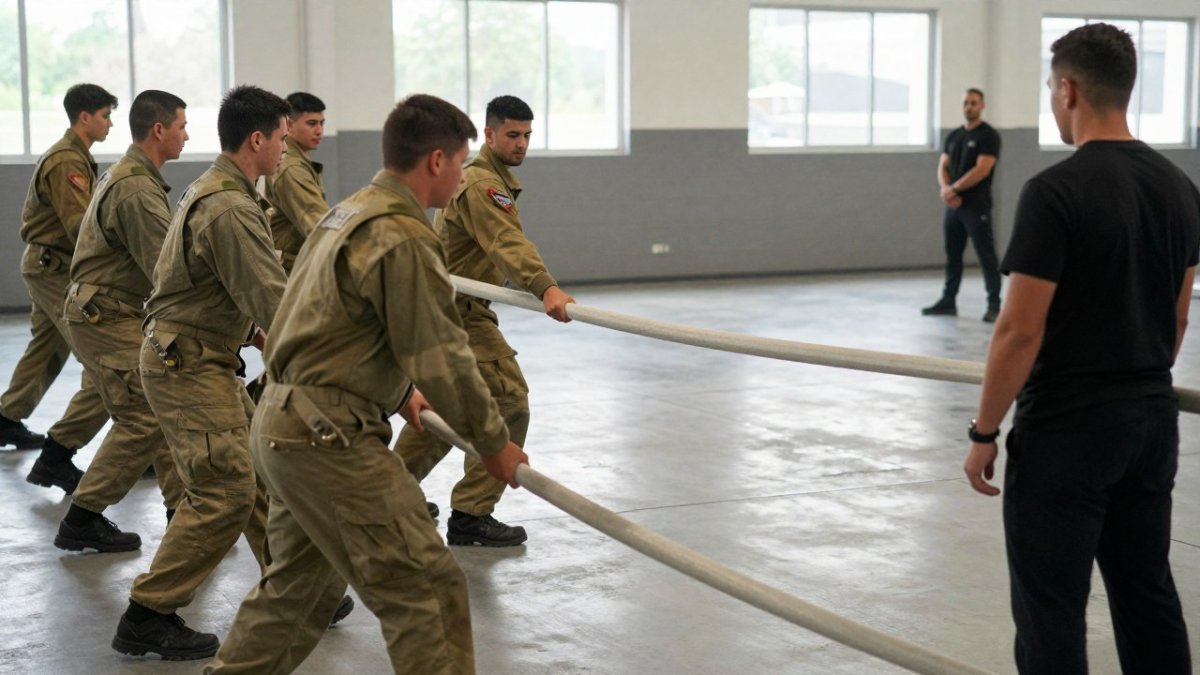
- Donning drill: recruits put on full PPE within a set time
- Hose advancement: recruits advance a charged or training line to a marked target
- Search drill: recruits move through a low-visibility area and locate a mannequin
- Knot and rope drill: recruits tie and check standard knots under time pressure
- Evaluation run: recruits complete a full scenario while instructors record performance
Each drill should have a clear goal. Post the objective at the start of each session so recruits know what they are practicing and why.
Keep your drill notes simple. Record the time, the result and one correction for each recruit. Over a few weeks, these notes show you which equipment gets used most and which items sit idle.
Watch out: do not run a drill with a skill the recruit has not practiced. Build up from simple tasks to full scenarios.
- Start each drill with a walkthrough
- Use a single change per drill to track progress
- End each session with a short debrief
Firefighter Knot-Tying Practice Setup
Knot-tying is one of the most useful and least expensive skills to practice. A simple setup works well:
- A short length of rope for each recruit
- A practice board or post for securing knots
- A printed reference card showing the knots your department uses
- A timer for speed drills
Have recruits tie each knot slowly first, then repeat it faster. Check each knot by hand before moving on. A wrong knot can fail under load, so inspect every one.
Store the ropes in a dry, clean bin. Replace any rope that shows fraying, glazing or stiffness.
Budget Tiers, Maintenance, and Safety Checks for Your Kit
Your budget will shape the kit, so plan in tiers and price each tier before you buy. Pricing depends on quantity, the vendor and delivery timing, so get a current quote from each supplier before you commit. Request current pricing and group quotes from Black Helmet through its website. The tiers below describe what to include, not what to pay, treat the item counts as the planning unit and confirm costs with quotes.
- Essential tier: core PPE for each recruit (helmet, gloves, boots, hood, turnout coat and pants), one training hose with nozzle and couplings, rope and a knot-tying practice board, a stopwatch, and basic consumables. This tier supports donning, hose advancement and knot drills.
- Standard tier: add a simulated-smoke tool, a life-sized mannequin, a low-visibility barrier, and a body or helmet camera for technique review. This tier supports search and rescue drills and structured evaluation.
- Full tier: add scenario props, a second set of gear in common sizes for shared use, labeled storage bins, and spare consumables. This tier supports full-scenario evaluation runs and larger recruit classes.
Sourcing options
Most departments fill a kit from three sources: a PPE supplier for certified gear, a training-equipment vendor for hose-line and scenario tools, and local or surplus sources for props, bins and practice boards. Buy certified PPE new, and choose props and storage based on your own budget and durability needs. Keep a single purchase log so you can see which vendor supplied which item when it comes time to reorder.
Maintenance and inspection schedule
Maintenance keeps the kit safe and useful. Set an inspection interval for each category rather than relying on memory:
- Before every session: inspect PPE for fit and damage, check hose couplings for leaks or cracks, and verify smoke tools and props work as intended.
- Weekly: clean PPE according to the manufacturer's instructions, wipe down mannequins and props, and check camera batteries and storage.
- Monthly: inspect ropes for fraying, glazing or stiffness; check practice boards and bins for cracks; and review the inspection log for wear patterns.
- Annually: review replacement dates against manufacturer service-life guidance and retire anything past its limit.
Store ropes in a dry, clean bin away from sunlight and chemicals. Store PPE where it can dry fully between sessions. Label every bin by category so setup and teardown stay fast and nothing goes missing between drills.
Replacement triggers
Replace, do not repair, any item that shows structural damage. Retire rope that is frayed, glazed or stiff. Retire helmets and turnout gear that are cracked, contaminated or past the manufacturer's service life. Replace hose with damaged couplings or jackets. Log every replacement with the date and reason so your program can show accountability.
Safety checks should happen before every drill:
- Confirm all PPE fits and is in good condition
- Check hose couplings for leaks or damage
- Verify that smoke tools and props are working as intended
- Confirm an instructor is present and watching
Keep a simple log of inspections. This record helps you spot wear patterns and supports your training program's accountability.
Booking Your Next Step With Black Helmet
Once your checklist is set, you can start filling the gaps. Black Helmet offers firefighter apparel and accessories that help recruits and crews show pride in their training and in the fire service. Browse the firefighter helmet accessories and apparel to find items that fit your recruit group, or check out the Spartan challenge coin to reward trainees who reach a milestone. For a commemorative keepsake, the memorial pin is a low-cost option for recruits.
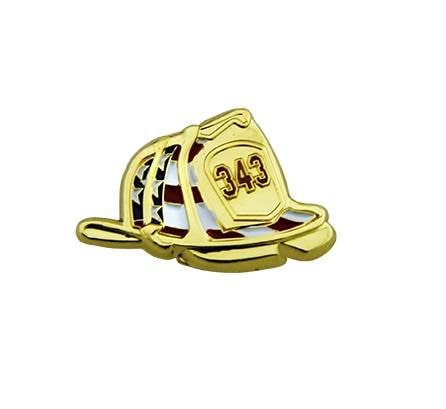
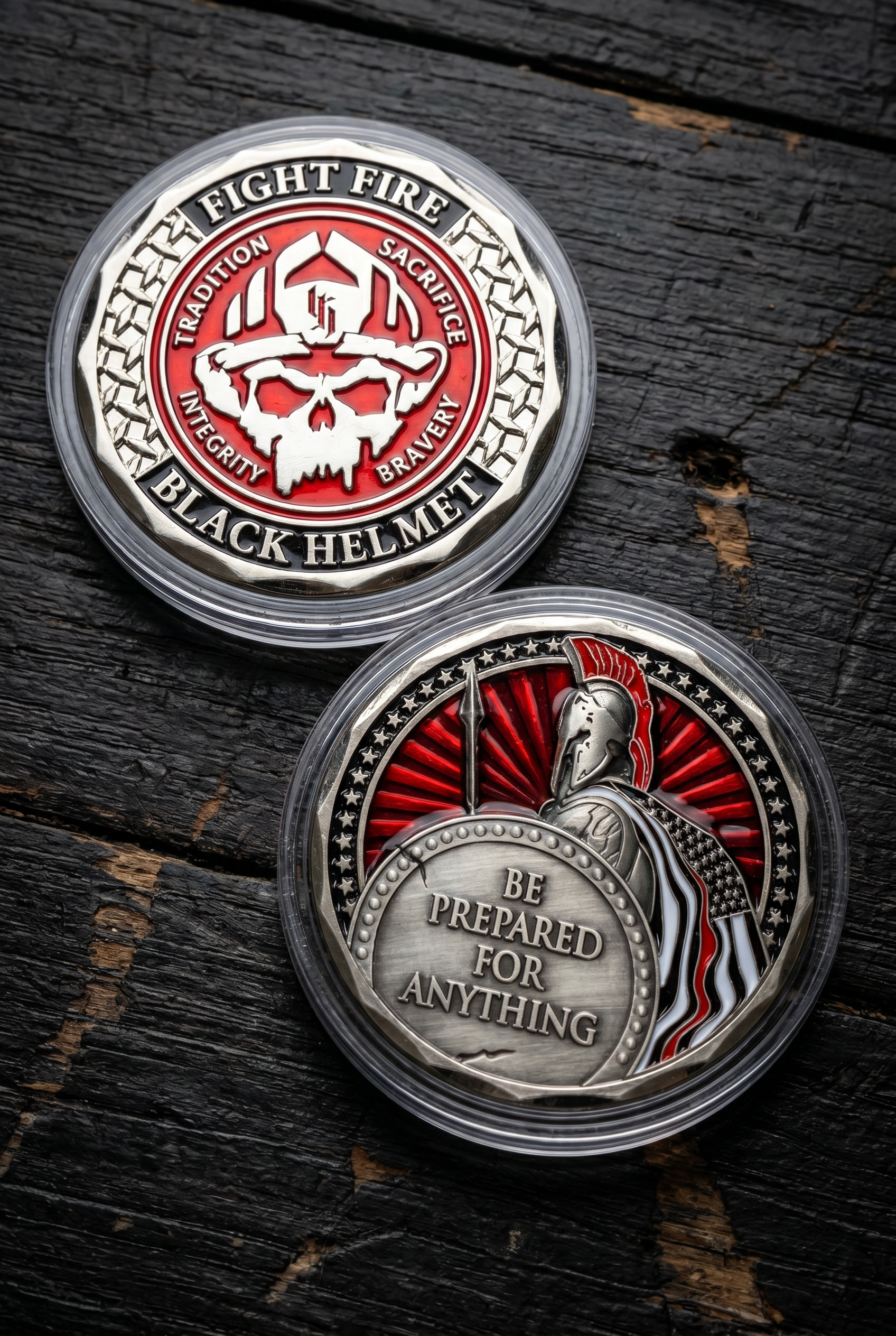
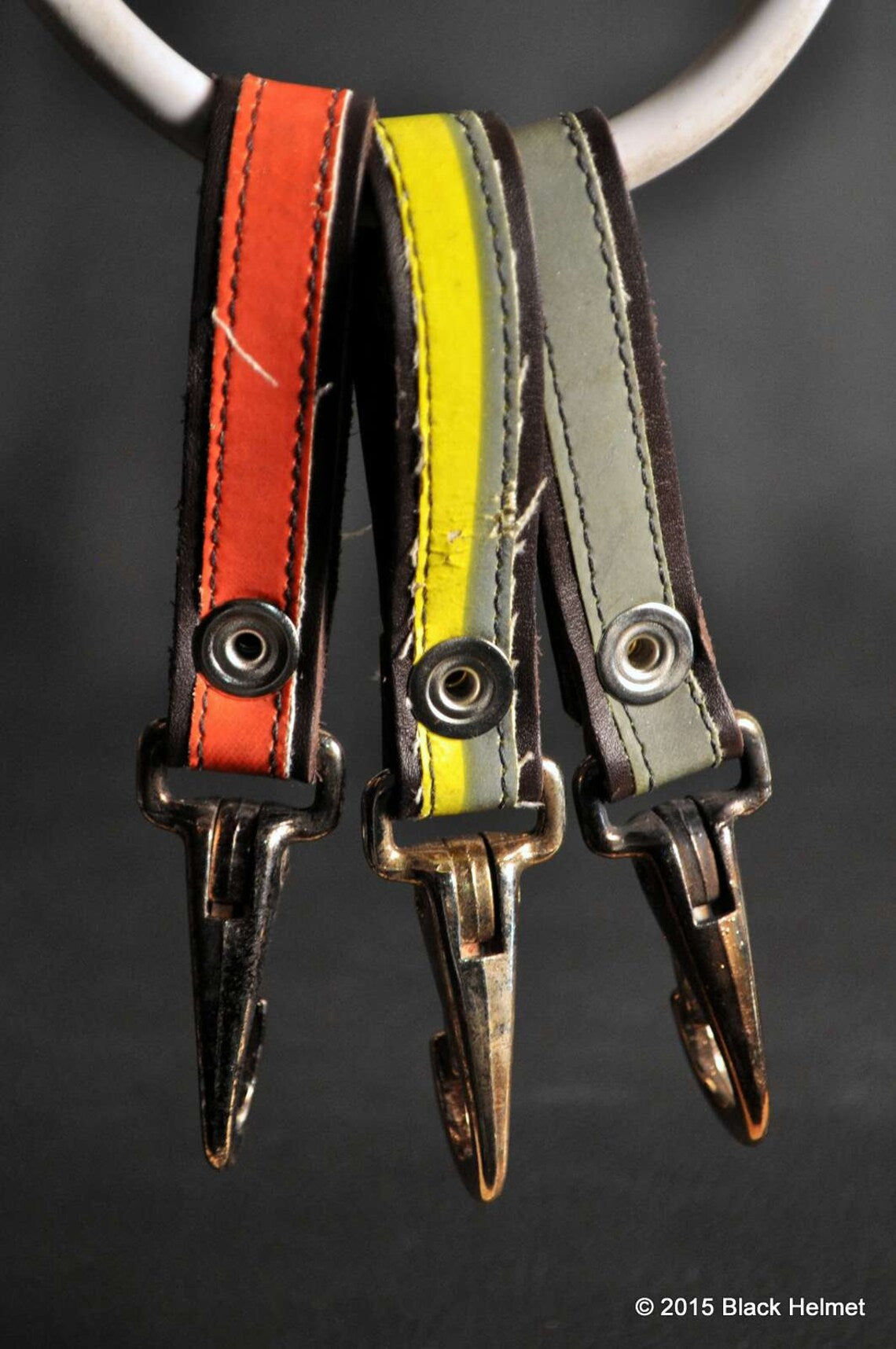
Pricing depends on quantity, dates and delivery, so contact Black Helmet for a current quote, especially for group orders. Start with the essentials, track what your recruits actually use, and add items as your program grows.
Frequently Asked Questions
What should be included in a firefighter recruit training kit?
A recruit training kit should cover the core items that match the academy's objectives: personal protective equipment such as helmets and gloves, hose-line training components, a simulated smoke tool or prop, a life-sized mannequin for rescue drills, and basic fitness gear. Start with what the academy's performance objectives require, then add items that let recruits practice those skills repeatedly. Check with your department or academy staff before buying, since requirements vary by department and training program.
What basic knots should firefighter recruits learn?
Recruits typically practice a small set of knots used in rescue and utility work, including the bowline, the clove hitch, and the figure-eight follow-through. Practice works best with short sections of rope kept at a training station, so recruits can tie and check knots repeatedly. Instructors should evaluate each knot against a skills checkoff so recruits can see clear pass or fail standards. Confirm the knots your academy requires, because course content can differ between departments.
How can recruits practice firefighter skills safely?
Safe practice starts with a supervised training area, clearly marked hazards, and a rule that every drill has an instructor present. Recruits should wear the protective gear the drill calls for and rehearse each skill at low speed before increasing pace. Inspect equipment before each session and remove anything damaged from service. Safety procedures should follow your department's policies and recognized training standards.
How should a fire department organize and maintain recruit training equipment?
Organize equipment by training station and label each item with its purpose and inspection date. Set a schedule for checking helmets, hose-line components, and rope for wear, and record what was repaired or replaced. Store gear in a dry, secured location so it stays usable between sessions. Replace any item that fails inspection rather than continuing to use it, and follow your department's maintenance policy for protective equipment.

