

Best Moisture-Wicking Firefighter Undershirts
Table of Contents
- Why Moisture-Wicking Matters Under Turnout Gear
- Fire-Resistant Base Layers: Materials That Meet NFPA 1977
- The Dangers of Polyester Under Turnout Gear
- Breathability and Heat Stress Management
- Antimicrobial and Odor-Control Features for Durability
- How to Choose Firefighter Undershirts for Your Needs
- Frequently Asked Questions
Last Updated: October 1, 2026
Why Moisture-Wicking Matters Under Turnout Gear
Moisture-wicking firefighter undershirts are critical: when sweat pools under heavy protective equipment, it raises core body temperature and accelerates heat stress. Moisture-wicking technology pulls sweat away from skin so it can evaporate, preventing dangerous heat buildup.
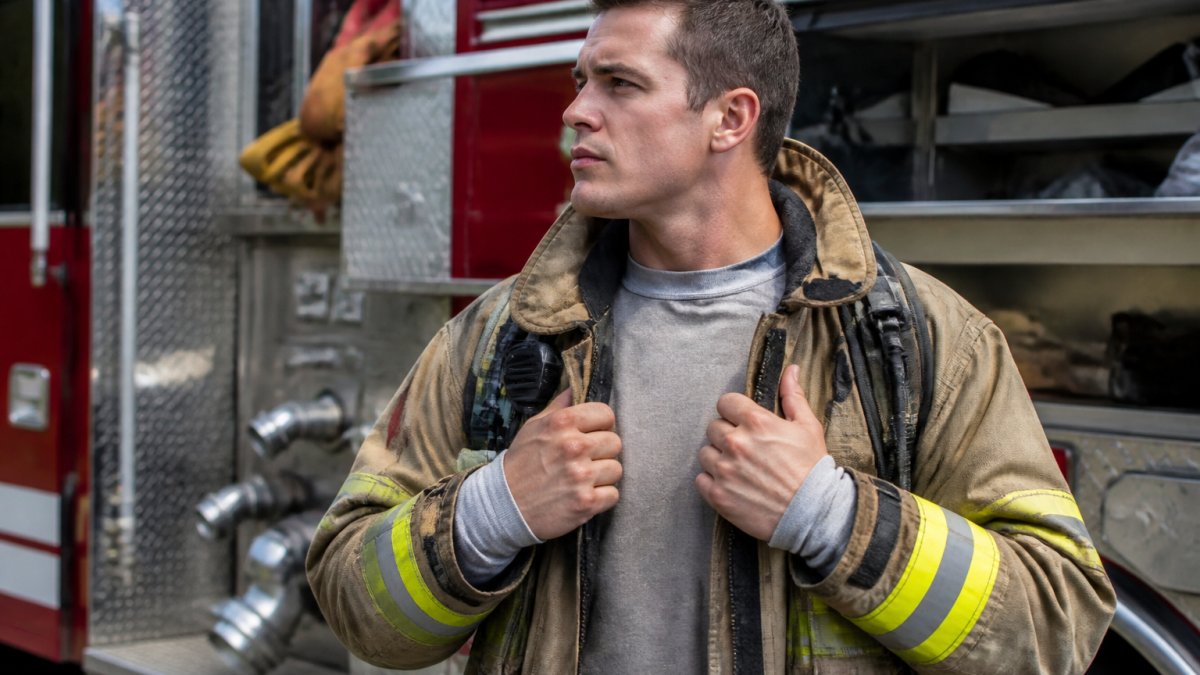
Moisture-wicking firefighter undershirts pull sweat to the fabric's outer surface where it can evaporate. Synthetic fibers designed for this purpose work efficiently; cotton absorbs moisture and holds it against skin, exactly wrong for extreme conditions.
When your body can't regulate temperature, heat exhaustion and heat stroke become risks. A quality moisture-wicking base layer keeps skin dry and allows natural cooling mechanisms to function, reducing cumulative heat exposure risk in structural and wildland environments.

Fire-Resistant Base Layers: Materials That Meet NFPA 1977
Fire-resistant base layers must meet NFPA 1977 standards for structural firefighting. Any base layer should be inherently flame-resistant, the fiber itself resists ignition rather than relying on chemical treatments.
Inherently flame-resistant materials char instead of burning when exposed to direct flame or radiant heat. This matters because melting synthetics fuse to skin, creating severe burn injuries, standards exist because firefighters have learned these lessons through experience.
Nomex and CarbonX: The Gold Standards
Nomex is the industry standard for structural firefighting. This aramid fiber is inherently flame-resistant, maintains integrity under extreme heat, resists degradation from industrial laundering, and provides consistent protection across repeated wear cycles.
CarbonX is a newer alternative offering similar flame-resistant properties with advantages in breathability and moisture management. Many firefighters prefer it for lighter weight and improved comfort, though both materials are reliable.
The choice between Nomex and CarbonX comes down to personal preference and department requirements. Both protect from ignition exceptionally well; they differ in feel, weight, and moisture transport over extended wear.
Synthetic Fibers vs. Natural: What the Standards Say
Cotton ignites at low temperatures and doesn't meet NFPA standards. Wool is naturally fire-resistant but absorbs moisture, defeating the purpose of a moisture-wicking base layer. Neither is appropriate for structural firefighting.
Nomex, CarbonX, and similar aramid blends are the only materials satisfying both moisture-wicking and fire-resistant requirements. Standards exist because they've been written in response to real-world incidents and proven effectiveness.
The Dangers of Polyester Under Turnout Gear
Standard polyester melts at relatively low temperatures. When exposed to radiant heat or direct flame, it doesn't char like Nomex, it melts and bonds to skin, creating severe thermal injuries far worse than simple burns.
Polyester feels like a good solution, it's moisture-wicking, affordable, and comfortable. But under extreme structural firefighting conditions, those advantages disappear when exposed to significant heat. A melting base layer becomes a liability.
Wildland firefighters face similar risks with different exposure patterns. Polyester-based undershirts create unnecessary hazards when fire-resistant alternatives are readily available.
The dangers of polyester are well-documented in incident reports and burn treatment literature. Choose materials that meet NFPA standards, not materials that merely feel like they should work.
Breathability and Heat Stress Management
Heat stress is a leading cause of firefighter injuries and fatalities, developing when your body can't dissipate heat faster than it accumulates. A base layer that improves breathability and moisture transport directly reduces heat stress risk.
High-quality moisture-wicking base layers allow sweat to escape to the outer surface where air circulation carries it away. Lower-quality materials trap moisture, creating a humid microclimate that accelerates heat buildup.
When sweat stays on skin, your body can't use evaporative cooling effectively. Core temperature rises and cardiovascular stress increases. Over extended operations, this cumulative stress increases injury risk.
Fit affects breathability: too-tight restricts air flow and moisture movement; too-loose creates dead air pockets that trap heat. The right fit keeps moisture moving away from skin and allows air circulation.
Antimicrobial and Odor-Control Features for Durability
Firefighters spend long hours in turnout gear, and moisture creates an ideal environment for bacterial growth. Antimicrobial treatments on base layers inhibit that growth, reducing odor and extending the life of the garment between washes.
Odor control isn't just about comfort, it's about durability. Bacteria break down fabric fibers over time, weakening the material. An antimicrobial base layer resists that degradation, maintaining its structural integrity and moisture-wicking properties through repeated industrial laundering. This means your investment lasts longer and performs consistently.
Not all antimicrobial treatments are equal. Some are applied to the surface of the fabric and wash out over time. Others are integrated into the fiber itself and persist through many wash cycles. When evaluating antimicrobial features, look for treatments that are designed to survive industrial laundering, the standard cleaning process for firefighter gear.
Long-Term Thermal Degradation and Performance Loss
While antimicrobial treatments preserve fabric structure, the real durability challenge most firefighters don't anticipate is thermal degradation. Moisture-wicking performance doesn't remain constant over the life of a base layer.
Turnout Print Sports Bra (Breathable, Moisture-Wicking) →
Nomex and CarbonX fibers are inherently more resistant to thermal degradation than blended synthetics, but even these materials experience measurable performance loss. The polymer chains that enable moisture transport can break down when exposed to sustained temperatures above 300°F, common in structural firefighting scenarios.
Industrial laundering accelerates this process. Commercial washers used by fire departments operate at temperatures around 160-180°F with mechanical agitation designed to remove soot and contaminants. Over 100+ wash cycles, this cumulative thermal and mechanical stress compounds fiber degradation.
This degradation is invisible to the wearer until performance noticeably declines. You won't see a change in appearance, but you may notice sweat lingering longer during training or operations.
When selecting a base layer, consider not just how it performs new, but how it will perform after 50+ high-heat exposures and 100+ industrial wash cycles.
How to Choose Firefighter Undershirts for Your Needs
The right choice depends on your specific role, your department's requirements, and your personal preferences. Not all firefighter undershirts are created equal, and what works for structural firefighting may not be ideal for wildland operations.
Structural vs. Wildland: Different Requirements
Structural firefighters wear full turnout gear that includes coat, pants, boots, and helmet. The base layer sits underneath this entire ensemble, facing radiant heat and potential direct flame exposure. For structural work, you need materials that meet NFPA 1977 standards, Nomex or CarbonX blends that are inherently flame-resistant.
Wildland firefighters wear brush gear that's lighter and more mobile than structural turnout gear. The exposure patterns differ too. Wildland work often involves proximity to active flame and radiant heat, but the gear itself is designed differently. Some wildland firefighters opt for base layers that prioritize breathability and moisture management over maximum flame resistance, though fire-resistant options are still the safer choice.
Your department may have specific requirements about what materials are approved for wear under turnout gear. Always check your standard operating procedures before purchasing. What's appropriate for one department might not meet another's standards.
Layering System Compatibility: Preventing Friction Burns and Heat Traps
One of the most overlooked factors in base layer selection is how the undershirt interacts with your turnout gear or brush jacket. Poor compatibility creates two serious problems: friction burns and heat traps.
Friction burns occur when a base layer with a loose weave or slippery surface slides against the inner lining of turnout gear during movement. This friction generates localized heat that can cause skin irritation or, in extreme cases, second-degree burns without any external flame exposure.
Heat traps form when a base layer's moisture-wicking properties don't match the breathability of your turnout gear's outer shell.
Different turnout gear brands and models have different breathability profiles. Gear with Gore-Tex or similar breathable membranes requires a base layer with moderate-to-high moisture transport.
Seam placement and construction also affect compatibility. Base layers with flat-lock seams or minimal seaming on the shoulders and torso reduce friction points where the base layer meets gear straps, SCBA harnesses, or radio packs.
When trying on a new base layer, wear it under your actual turnout gear or brush jacket during training, not just in a fitting room.
Fit, Gender-Specific Sizing, and Skin Sensitivity
A base layer that doesn't fit properly won't perform as designed. Too-tight fit restricts moisture movement and creates uncomfortable pressure points under heavy gear. Too-loose fit creates dead air pockets and allows the fabric to bunch, creating friction and chafing.
Gender-specific sizing matters. Men and women have different body proportions, and a base layer designed for one body type won't fit the other optimally. Poor fit compromises both comfort and performance.
Skin sensitivity is another consideration. Some firefighters develop contact dermatitis or other skin reactions to certain materials or treatments. If you have sensitive skin, test a new base layer during training or light duty before relying on it during active operations. Some materials feel softer against skin than others, and that comfort matters when you're wearing the garment for extended periods. Nomex-based layers tend to feel slightly stiffer initially than CarbonX blends, but both soften with repeated washing. If you have a history of skin reactions to synthetics, consider a trial period before committing to a full set.
Frequently Asked Questions
Why should firefighters avoid synthetic fabrics in undershirts?
Synthetic fabrics like polyester can melt when exposed to high heat, potentially fusing to your skin and causing severe burns. Moisture-wicking undershirts made from fire-resistant materials like Nomex or CarbonX are inherently flame-resistant and won't melt under the extreme temperatures found in structural firefighting. These materials also manage sweat more effectively, reducing heat stress during extended operations.
What is the best material for firefighter base layers?
Nomex and CarbonX are the industry-standard materials for firefighter base layers. Both are inherently flame-resistant and meet NFPA 1977 standards for turnout gear components. These synthetic fibers provide excellent moisture-wicking, quick-drying properties, and durability through industrial laundering. They also resist thermal degradation better than cotton or blended fabrics, maintaining their protective properties over time.
How do you choose the right moisture-wicking undershirt for your role?
Consider your assignment: structural firefighters need maximum fire-resistance and heat stress protection, while wildland firefighters may prioritize breathability and lighter weight. Check for NFPA compliance, ergonomic fit (especially if you're female or need gender-specific sizing), and antimicrobial features to reduce odor. Test for skin sensitivity. Verify that the material can withstand repeated industrial laundering without losing moisture-wicking properties.
Do moisture-wicking shirts help prevent heat stress?
Yes. Moisture-wicking undershirts transport sweat away from your body through evaporative cooling, which helps regulate body heat during physically demanding operations. By keeping you dry rather than saturated, these base layers reduce the thermal burden on your body, lower core temperature, and decrease fatigue. This is especially critical under turnout gear, where trapped moisture and heat can accelerate heat exhaustion.
